Where to buy Korean pottery: a guide for foreigners
Discover where to purchase authentic Korean pottery, from traditional markets in Seoul to renowned ceramic towns, and learn about the rich history behind t
By Jae Park · Updated Aug 16, 2026
Korean pottery, with its rich history dating back to 8,000 BC, offers a unique blend of tradition and artistry. If you're looking to purchase authentic pieces, Seoul's Insa-dong district is a prime destination, featuring shops like Arirang Master Crafts Shop and Eden Pottery. For a deeper experience, consider visiting renowned ceramic towns such as Icheon and Mungyeong.
Understanding Korean pottery: celadon, white porcelain, and buncheong ware
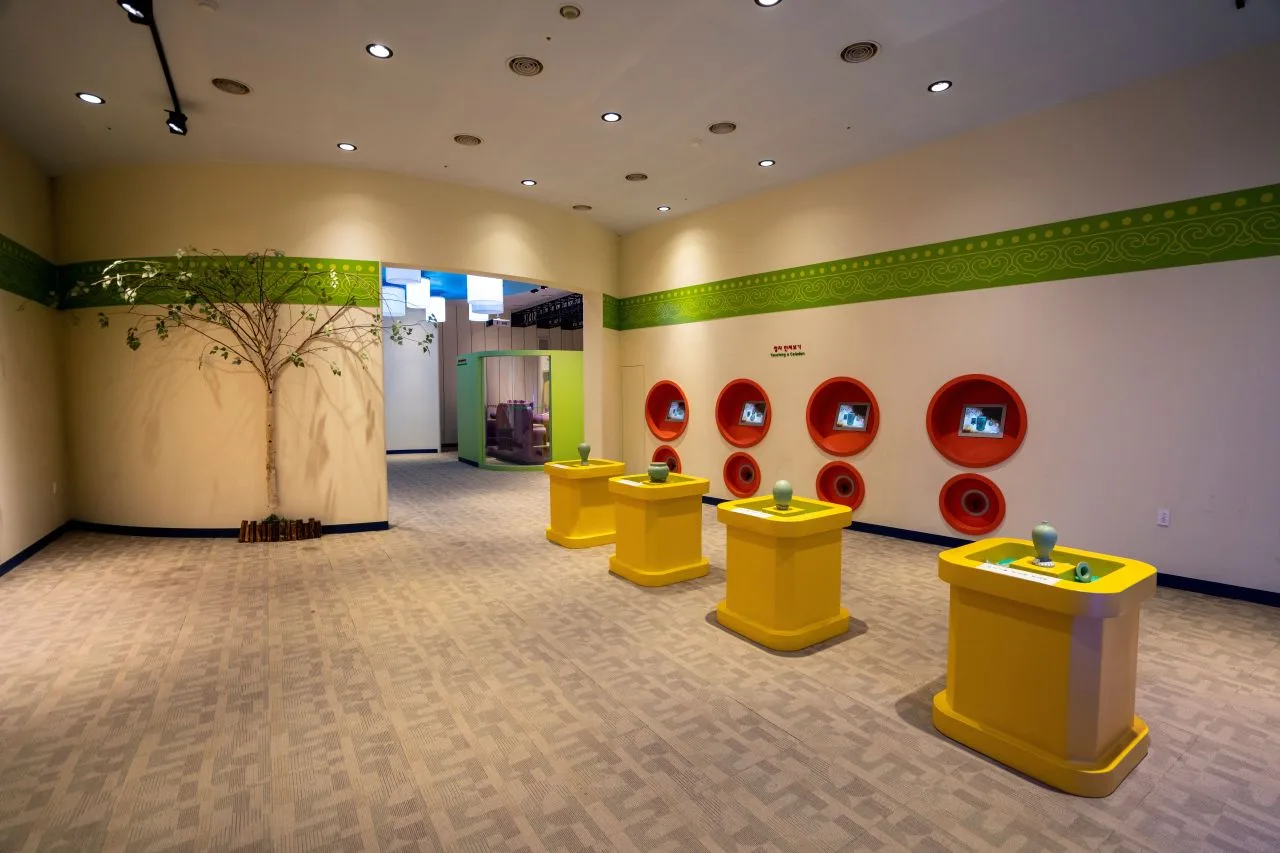
Korean pottery is not just decorative—it's a living art with roots going back to 8,000 BC, but most visitors quickly notice three main styles: celadon, white porcelain, and buncheong ware. Celadon, the showstopper of the Goryeo Dynasty (918–1392), is easily recognized by its cool jade-green glaze and intricate inlaid patterns. The best celadon pieces almost glow from within, which is why they were once reserved for royalty and Buddhist temples. If you see a serene vase or shallow bowl with crane or cloud motifs, you’re likely admiring Goryeo celadon.
White porcelain, on the other hand, came into its own during the Joseon Dynasty (1392–1897). The difference is striking: white porcelain is pure and minimal, with a milky surface that reflects Joseon’s Confucian ideals of restraint and simplicity. These were objects for scholars and the royal court, meant to express moral clarity as much as beauty.
Buncheong ware sits between these two worlds, both historically and stylistically. Developed as celadon began to fade but before white porcelain took over, buncheong is playful and bold, with rougher clay, freehand brushwork, and creamy white slip. You’ll often spot buncheong bowls with spontaneous, almost modern-looking designs. If you want to understand why Korean ceramics have influenced artists worldwide, study these three types up close. For more on the eras that shaped Korean pottery, see our quick guide to the Joseon Dynasty.
Insa-dong: Seoul's hub for traditional crafts
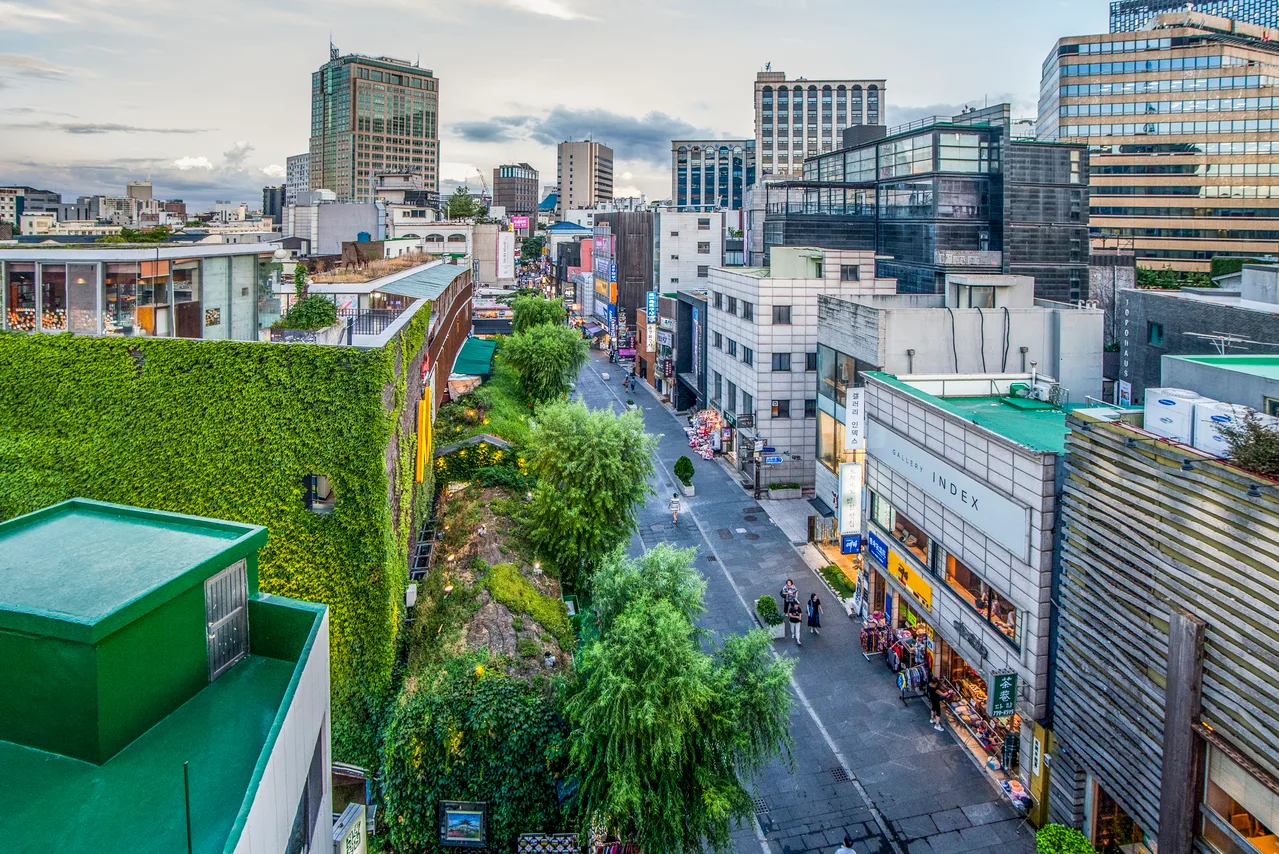
If you want to buy authentic Korean pottery in Seoul, I’d start in Insa-dong. This area is famous for its traditional crafts, and you can find a range from affordable daily-use bowls to high-end collector’s pieces. One place I always recommend is the Arirang Master Crafts Shop at 17-1, Insadong-gil, Jongno-gu. It’s not just a shop but a sort of craft center, stocking everything from tea sets to large decorative vases. The staff there know their ceramics, so don’t hesitate to ask about the origin or crafting process—most are happy to explain the differences between functional and display pieces.
For those who appreciate the quiet elegance of white porcelain, Gallery Park Young Sook - Atelier Seoul is worth a visit. The gallery specializes in works inspired by the Joseon Dynasty, so you’ll see a lot of clean lines and subtle forms. Many of the artisans represented here are continuing family traditions, and you get a real sense of the artistry involved.
Insa-dong shops are more than just tourist stops. Many supply pieces to temples and traditional tea houses around Korea. If you’re looking for something truly unique, keep an eye out for limited-run collaborations between potters and calligraphers. And if you’re interested in how these crafts connect to Korea’s royal past, our Seoul palaces guide gives context you won’t get from a sales pitch.
Itaewon: a blend of tradition and modernity
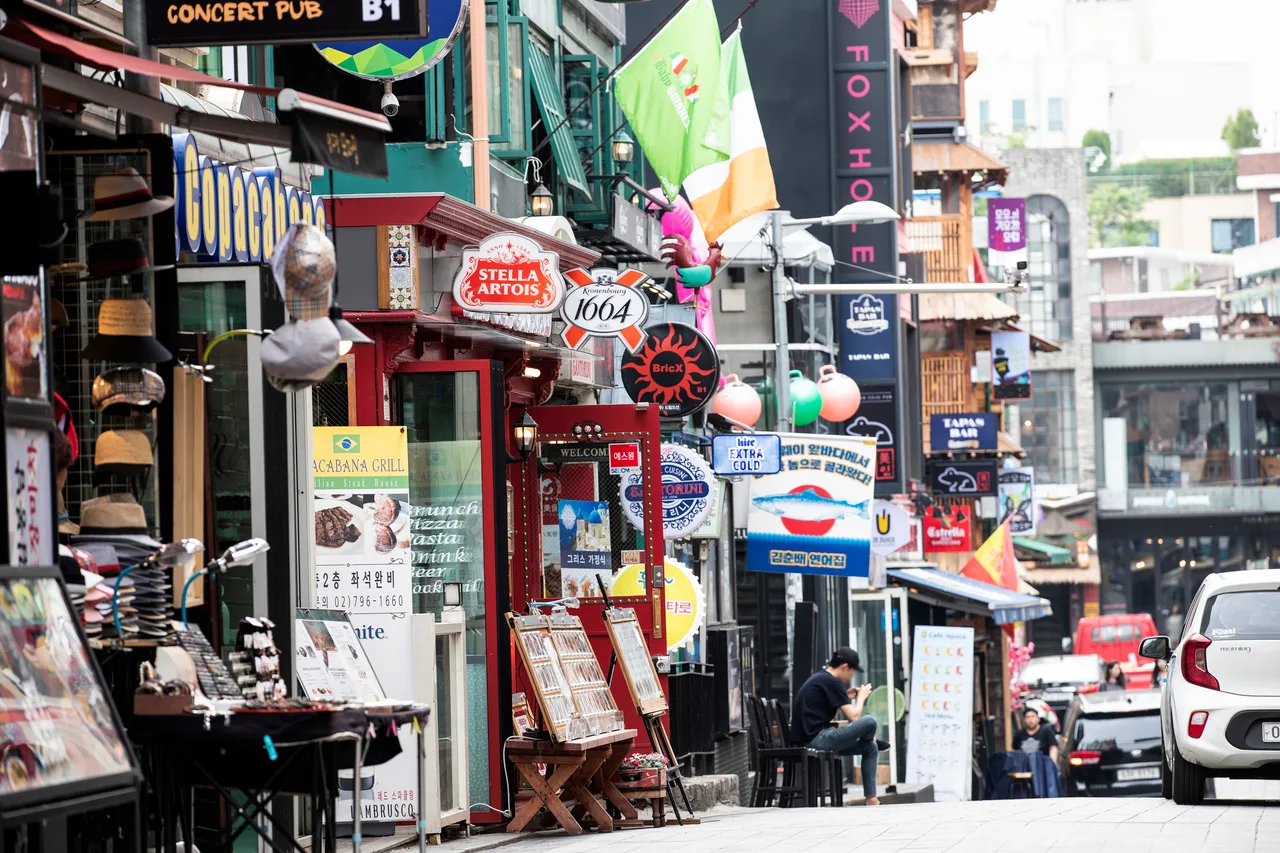
Most people know Itaewon for its nightlife and international food, but if you’re after Korean pottery in a more contemporary setting, this neighborhood is a surprisingly good bet. Eden Pottery, located at 159-1, Itaewon-ro, Yongsan-gu, stands out for its gallery-like atmosphere. Here, you’ll find everything from classic celadon vases to crisp white porcelain plates, displayed with a modern sensibility that makes you want to actually use these pieces at home, not just display them.
Eden Pottery curates its selection with a focus on craftsmanship, and you can see the range of Korean ceramic styles in one place. The staff are usually well-versed in the differences between celadon, buncheong, and white porcelain, and they’re open to questions (which, honestly, is not always the case in more tourist-heavy districts). The shop’s modern approach means you’ll also find pieces that reinterpret traditional forms, like bowls with bold colors or plates with minimalist patterns—perfect if you want something that fits a contemporary table but still feels distinctly Korean.
If you’re planning to make a day of it, Itaewon is also home to plenty of good restaurants where you can spot Korean ceramics in action, especially at local barbecue spots (see our Korean BBQ guide). It’s this blend of old and new that makes shopping here different from the more traditional Insa-dong experience.
Icheon: Korea's ceramic capital
If you want to see the heart of Korean pottery culture, Icheon is the place I’d head first. This city, about an hour southeast of Seoul, is famous for its living ceramic tradition—you’ll find clusters of working kilns and studios where the air smells faintly of clay and woodsmoke. What makes Icheon stand out is that you can buy directly from the artisans, not just in gallery shops but sometimes right beside the kiln. The city’s reputation comes from both its long heritage and its openness: potters here work in celadon, white porcelain, and buncheong ware, so you’ll see the full range of Korean styles.
Every spring, the Icheon Ceramic Festival draws visitors from all over Korea and beyond. At the festival, you can watch live demonstrations, meet master potters, and pick up unique pieces you’ll never see in a department store. Outside festival season, many workshops are open to the public, and some even offer short classes or tours. If you’re looking for something specific—like a Goryeo-style celadon vase or a contemporary reinterpretation of white porcelain—Icheon’s artisans are happy to talk about their work and the history behind it. Icheon’s ceramics scene connects directly to Korea’s UNESCO cultural heritage, making it a rewarding first stop for pottery fans. For more on related heritage sites, see our UNESCO guide.
Mungyeong: preserving traditional techniques
If you care about tradition and the hands-on side of Korean ceramics, Mungyeong is worth your time. This town may feel quieter than Icheon, but its reputation in the pottery world runs deep. Mungyeong is particularly famous for chasabal, the tea bowls used in Korea’s centuries-old tea culture. What sets Mungyeong apart is its dedication to old methods—many local potters use wood-fired kilns, and the shapes they produce follow classic forms handed down through generations.
Mungyeong’s signature event is the Traditional Chasabal Festival, held each year in the spring. At this festival, you’ll see artisans shaping and firing tea bowls just as their ancestors did, and you can buy pieces straight from the people who made them. Even outside festival season, Mungyeong’s workshops are open for visits, and most potters are happy to explain the story behind each bowl. If you’re looking to start a Korean tea set or want a one-of-a-kind souvenir with real roots in the country’s past, this is where I’d suggest going. The connection between Mungyeong pottery and Korean tea customs is strong—if you’re curious about that side, you can explore our guide to Korean tea culture.

Online options: purchasing Korean pottery from abroad
Not everyone has the chance to fly to Korea and wander through pottery towns. Fortunately, you can still add authentic Korean ceramics to your home thanks to a handful of reputable online shops. One that stands out is Naim Pottery, which offers a curated range of handcrafted pieces, from everyday bowls to decorative vases, all made by Korean artisans. The best part is they ship internationally, so you can order a celadon cup or a buncheong plate right to your door, wherever you are.
When buying pottery online, I always advise checking the shop’s credentials—look for clear information about the artisan, the style (celadon, white porcelain, buncheong), and how the piece was made. Steer clear of mass-produced items that don’t mention the maker or the kiln. Also, be sure to ask about export regulations and packaging, since pottery can be fragile and some older pieces might require special paperwork. Buying online is a practical way to support Korean craftspeople, and it lets you access a wide variety of styles even if you’re not in Seoul or the countryside. If you’re curious about adding Korean kitchenware to your cooking, see our easy Korean recipes guide for inspiration.
Tips for purchasing authentic Korean pottery
When you’re shopping for Korean pottery, the key is to focus on authenticity and craftsmanship over cheap souvenirs. I always recommend starting your search in places with a strong reputation—Insa-dong in Seoul is a classic choice, with shops like Arirang Master Crafts Shop offering a range of both daily-use pieces and more decorative works. If you’re drawn to the clean lines of white porcelain, Gallery Park Young Sook - Atelier Seoul is known for its Joseon dynasty-inspired pieces and contemporary ceramics. For a quieter, more gallery-like experience, Eden Pottery in Itaewon is worth a visit for its selection of celadon and porcelain.
The best way to ensure you’re getting a genuine item is to ask about its origins. Don’t be shy: reputable sellers will gladly explain the crafting process, the kiln, and sometimes even the name of the artisan. If you’re in Icheon or Mungyeong, where many of the country’s finest kilns are located, you can often meet the artists themselves. Here, buying directly from workshops at the Icheon Ceramic Festival or the Mungyeong Traditional Chasabal Festival guarantees both quality and a story to go with your piece.
Remember, not all pottery is allowed to leave Korea without proper documentation. Ask your seller about export regulations, especially for high-value or antique-looking items. Some shops provide certificates of authenticity, which is useful if you ever want to resell or display your piece outside Korea.
Finally, understanding the history—like the jade-green glazes of Goryeo celadon or the rustic brushwork of buncheong ware—not only helps you spot fakes but also deepens your appreciation for what you’re buying. If you’re new to local etiquette when interacting with artisans or shopkeepers, check our Korean etiquette guide for a smoother experience.
Exploring Korean pottery offers a window into the country's rich artistic heritage. Whether you're visiting local markets or browsing online, each piece tells a story of tradition and craftsmanship. Take the time to learn about the different styles and origins to make an informed and meaningful purchase.
Location
Insa-dong, Seoul
View on Google MapsFrequently asked questions
Where can I buy authentic Korean pottery in Seoul?
In Seoul, authentic Korean pottery can be purchased in Insa-dong at shops like Arirang Master Crafts Shop and Gallery Park Young Sook - Atelier Seoul, as well as in Itaewon at Eden Pottery.
What are the main types of Korean pottery?
The main types of Korean pottery are celadon, known for its jade-green glaze; white porcelain, celebrated for its pure elegance; and buncheong ware, featuring rustic designs with white slip and bold brushwork.
Can I purchase Korean pottery online?
Yes, authentic Korean pottery is available online through platforms like Naim Pottery, which offers a range of handcrafted ceramics with international shipping options.
Are there specific towns in Korea known for pottery?
Yes, Icheon and Mungyeong are renowned for their ceramic heritage, hosting numerous kilns and workshops where visitors can purchase high-quality pottery directly from artisans.
What should I consider when buying Korean pottery?
When purchasing Korean pottery, verify the authenticity and quality by buying from reputable shops or artisans, inquire about the origin and crafting process, and be aware of export regulations to ensure a smooth purchase.
Sources
This guide was researched using the references below. Prices and times change, so confirm anything time-sensitive on the official page before you rely on it.
Related guides
- Exploring traditional Korean art stylesAn in-depth look at traditional Korean art styles, including painting, ceramics, and crafts, highlighting their history and cultural significance.
- What is minhwa, Korean folk painting?Minhwa, meaning 'painting of the people,' is Korean folk art created by anonymous artists to depict everyday life and convey symbolic meanings.
- An introduction to Korean traditional dance for visitorsA clear guide to Korean traditional dance for foreigners: court and folk forms, buchaechum, talchum, salpuri, seungmu, and where to watch them live.
- Korean tea culture and where to experience itA visitor's guide to Korean tea, from Boseong's green tea fields and the darye ceremony to jujube and citron brews and where to drink it in Seoul.
- Korean traditional music (gugak) and where to hear itWhere to hear Korean traditional music in Seoul, from the National Gugak Center's Saturday concerts to Jongmyo rite music, plus what the sounds mean.
- Where to try Korean crafts: pottery, calligraphy and hanjiTry Korean pottery, calligraphy and hanji papermaking in Insadong, Icheon and Jeonju, with real prices, subway routes and how to book.