Essential Korean Dishes to Try on Your First Trip
A first-timer's checklist of Korean dishes worth trying, from BBQ and stews to street food and shaved ice, with what each is and where to find it.
By Jae Park · Updated Jul 19, 2026
Korea gives a first-time eater a lot to sort through, so this list keeps things simple. Below are the dishes worth trying on an early trip, grouped by how you actually meet them: at a grill table, in a stew bowl, over rice or noodles, from a street cart, and as sides or sweets. Each entry says what the dish is and where you tend to find it. Descriptions stay short on purpose. When a dish deserves a full walkthrough, we point you to one of our deeper guides instead of repeating it here. Come hungry and pace yourself.
Korean BBQ and the grill table
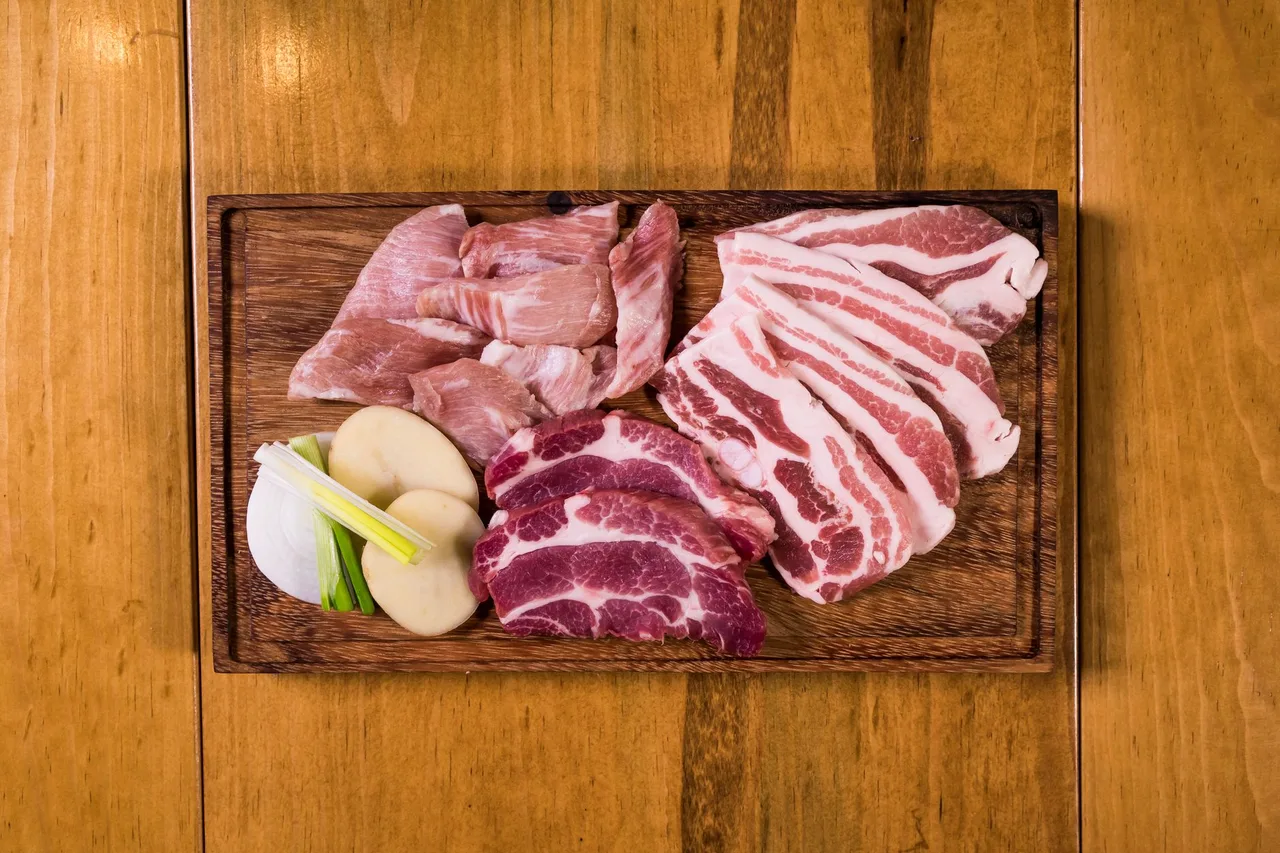
Grilled meat is the meal most visitors book first, and for good reason. At a Korean BBQ restaurant, a grill sits in the middle of your table and you cook the meat yourself. The starter cut is samgyeopsal, thick slices of unmarinated pork belly that crisp at the edges as they cook. You snip pieces with scissors, set them on a lettuce or perilla leaf, add garlic, a smear of ssamjang, and a slice of raw chili, then fold it into one bite.
Galbi is the other headline cut: beef or pork short ribs, usually marinated in soy sauce, garlic, sugar, and pear juice, so they taste sweet and savory off the grill. Bulgogi, thin marinated beef, cooks fast and suits anyone who wants something gentler than pork belly. Order one or two meats, and the kitchen brings sides, dipping sauces, and often a small stew or steamed egg at no extra charge.
The appeal is as much social as culinary. You share the grill, refill each other's leaves, and the meal stretches over an hour. Prices vary widely by cut and neighborhood, and many places set a two-person minimum for the meat. For the etiquette, the cuts explained, and how a full order comes together, read our Korean BBQ 101 guide before you go.
Stews and soups that anchor the table
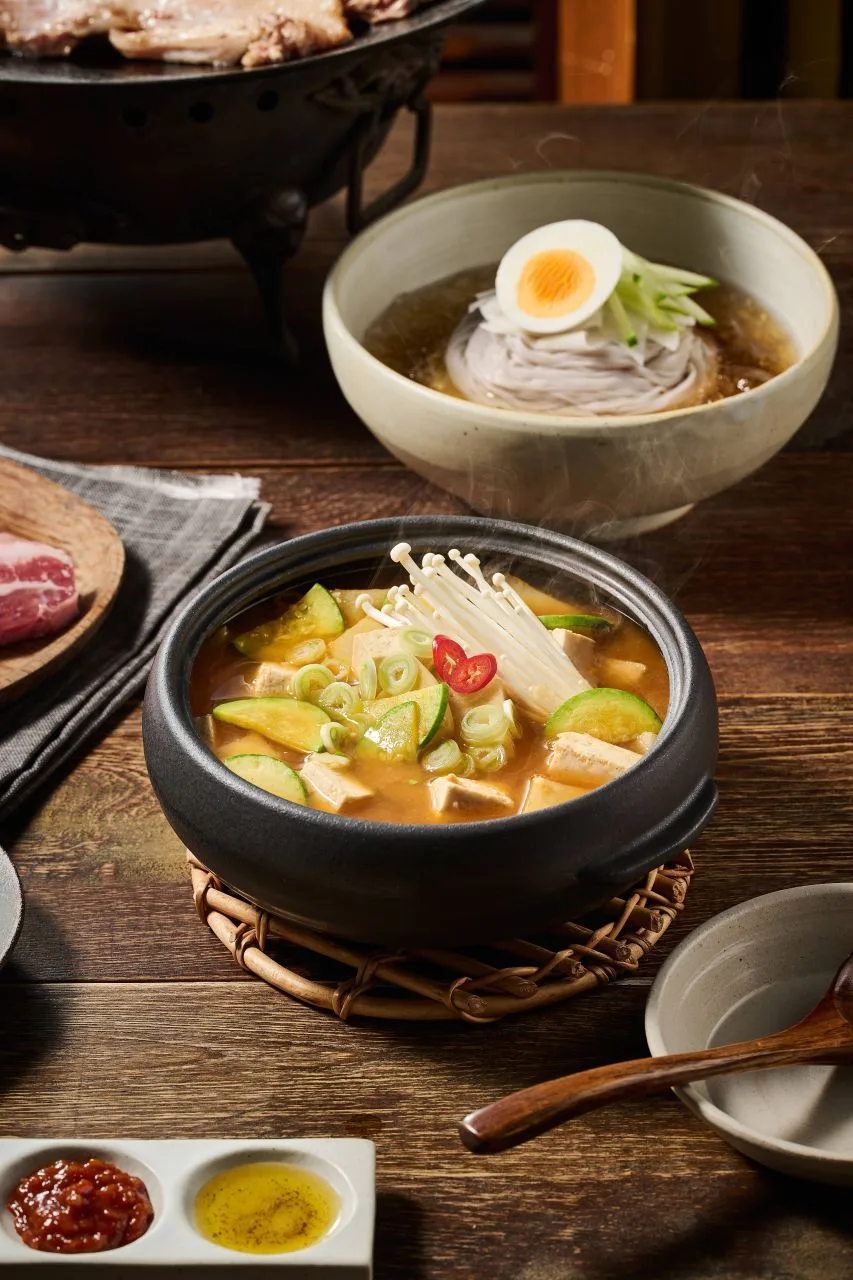
Most Korean meals lean on a hot pot of something bubbling. Doenjang jjigae is the everyday one, an earthy stew built on fermented soybean paste with tofu, zucchini, onion, and sometimes a little seafood or beef. It arrives still boiling in a stone bowl and pairs with plain rice. Kimchi jjigae runs spicier and tangier, made with aged kimchi and usually pork, and it is a reliable comfort order on a cold day.
Sundubu jjigae uses silken, uncurdled tofu in a red, chili-spiked broth, often with a raw egg cracked in at the table. It is soft, spicy, and quick to eat. For something restorative rather than fiery, samgyetang is a whole young chicken stuffed with rice, garlic, jujube, and ginseng, then simmered into a mild, milky broth. Koreans eat it on the hottest summer days, the sambok dates that fall in July and August, on the logic that hot food helps the body handle the heat.
These stews usually come as a main with rice and a few sides, so one bowl makes a full lunch. You order them at casual restaurants that specialize in a single dish, which is why the signage out front often lists just two or three items. They are also an easy first solo meal, since no grilling or sharing is required. Point at the photo, and a tray of rice and banchan follows.
Rice and noodle mains you can order alone
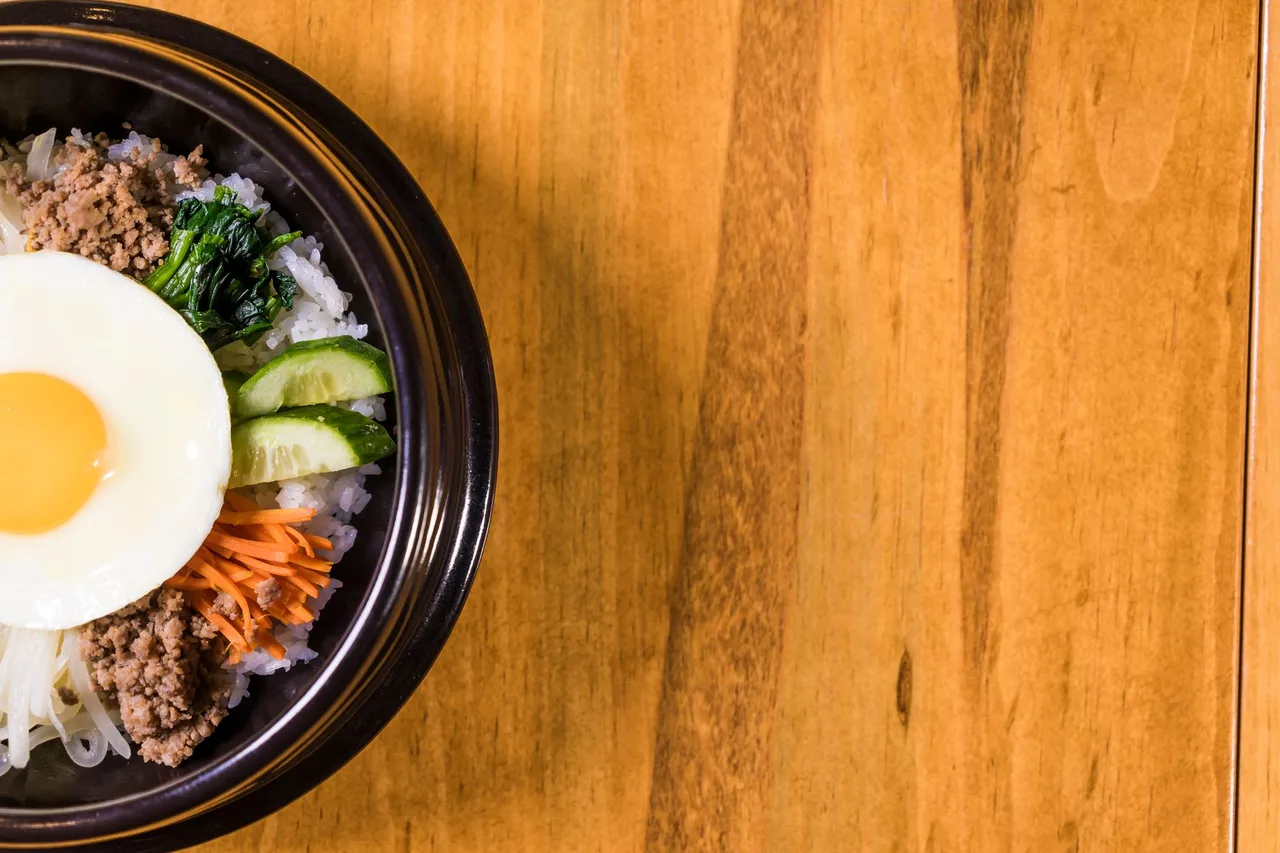
When you want one bowl and a spoon, this is the category. Bibimbap is the classic starter: warm rice topped with seasoned vegetables, a fried or raw egg, sometimes beef, and a spoon of gochujang chili paste. You mix everything together before eating. Jeonju is known for its version, though a good bowl turns up almost anywhere.
Japchae is stir-fried glass noodles made from sweet potato starch, tossed with vegetables and beef in a sweet, sesame-scented soy sauce. It shows up at celebrations and also as a solo plate. Naengmyeon is the summer noodle to know: buckwheat noodles in an icy broth, chewy and bracing, served either in cold soup or in a spicy mixed style. Jajangmyeon, wheat noodles under a thick black bean sauce with pork and onion, is Korean-Chinese comfort food that most people order for delivery.
Gimbap sits at the cheap, fast end: seasoned rice and fillings rolled in dried seaweed and sliced into rounds. It travels well and works as a light meal or a snack between sights. Because the Korean names blur together on a menu, it helps to recognize a few before you point. Our guide to common Korean food names sorts out what each word means, so you order the dish you actually wanted.
Street food to eat on your feet
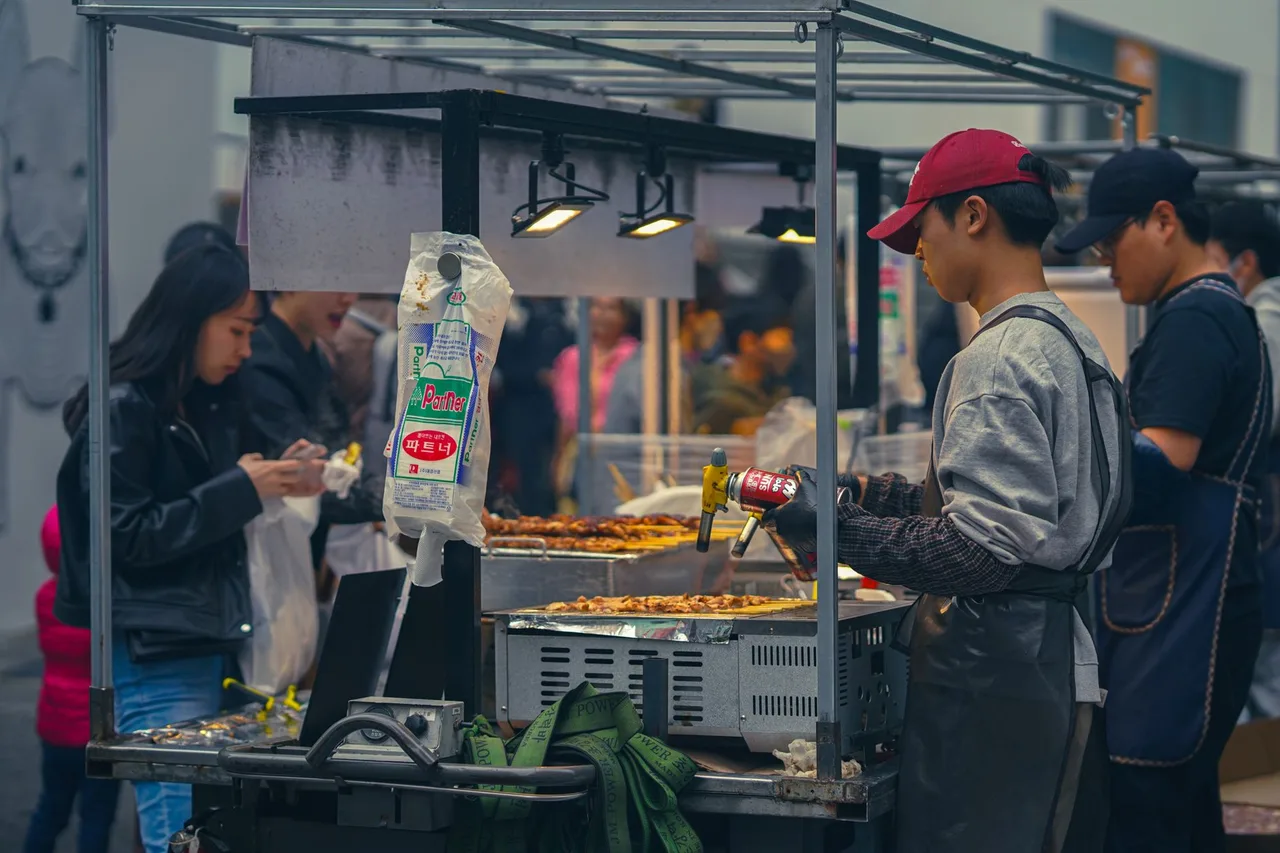
Stalls and market alleys are where a lot of the fun happens, and prices stay low. Tteokbokki is the flagship: chewy cylinders of rice cake simmered in a sweet, spicy gochujang sauce, usually with fish cake and boiled egg. It is filling and easy to share, and stalls often serve it next to fried snacks.
Hotteok is the winter favorite, a griddled pancake filled with brown sugar, cinnamon, and nuts that turns molten inside as it fries. Sundae, a steamed sausage of pig intestine packed with noodles and blood, is more of an acquired taste but a genuine local staple. Eomuk, also called odeng, is fish cake on skewers pulled from steaming broth carts, and the vendor usually lets you sip the warm broth for free.
You will also see gimbap, corn dogs, and various skewers depending on the market. Myeongdong, Gwangjang Market, and neighborhood night stalls each have their own regulars. Pay in cash or with a tap card, eat near the stall, and hand back your stick or cup when you finish. For a fuller rundown of what to try and how the stalls work, see our Korean street food guide. When it is late and the carts have closed, a convenience store fills the gap, which our convenience store food guide covers in detail.
Banchan, the free side dishes
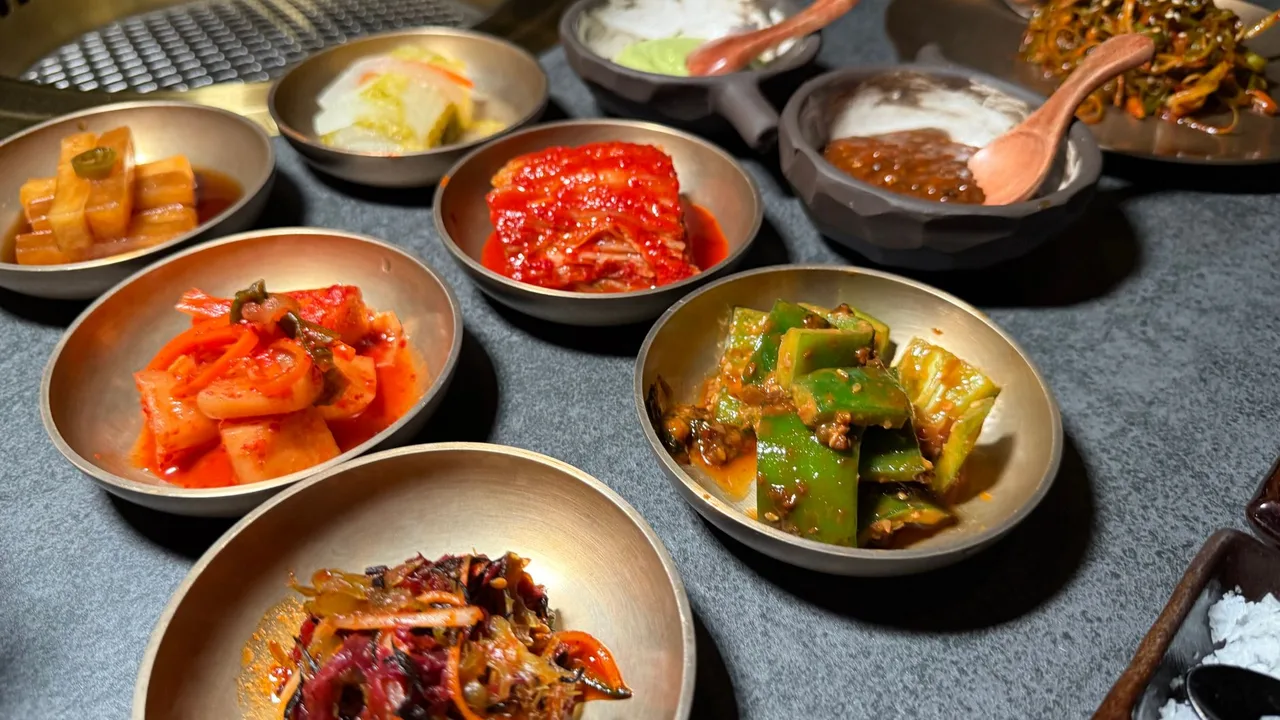
Sit down at almost any Korean restaurant and small plates start landing before your order does. These are banchan, the side dishes that come with a meal at no extra cost. A typical spread runs three to five plates: at least one kimchi, plus things like seasoned spinach, bean sprouts, braised potato, pickled radish, or fish cake. They are not appetizers to finish first. You eat them throughout the meal, a bite here and there, alongside rice and the main dish.
Kimchi is the constant. The best-known version starts with napa cabbage salted and fermented with chili, garlic, ginger, and fish sauce, though radish and cucumber versions are common too. Its sour, spicy edge cuts through grilled meat and rich stews, which is why it appears at nearly every meal, breakfast included.
Refills are usually free. At many places you can ask the staff for more of a side you liked, or help yourself from a self-service counter near the water station. The etiquette is simple: take what you will actually eat, since wasting banchan is frowned on. The number and quality of the sides is a quiet signal about a kitchen, and a generous spread often means the cooks care about the rest of the food too. Vegetables carry most banchan, which also makes the plates a useful anchor for lighter eaters.
Sweets and drinks to finish
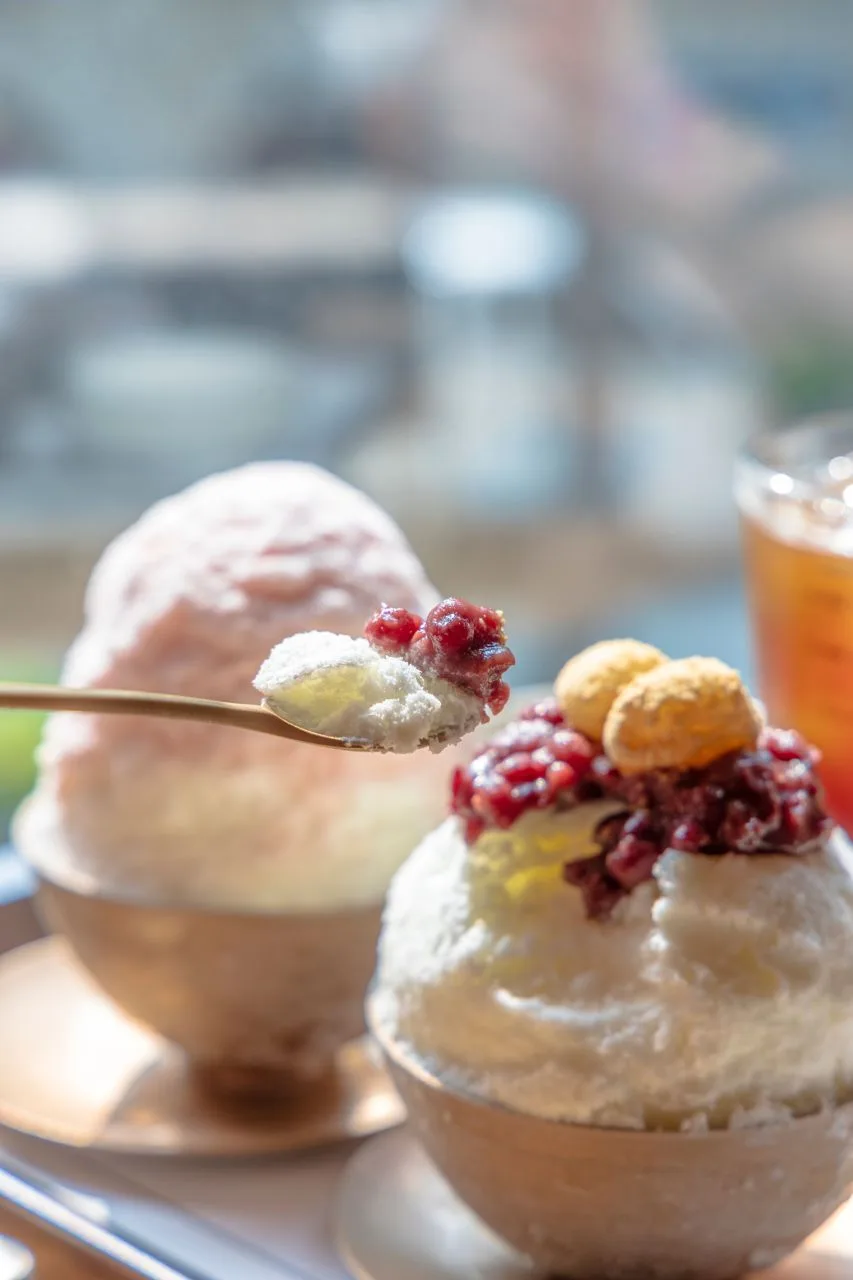
Korean meals rarely end with a heavy dessert, so sweets often happen separately, at a café or a stall. Bingsu is the summer icon, a mound of finely shaved ice topped with sweet red bean, condensed milk, and chewy rice cake in the classic patbingsu, or with fruit, matcha, or injeolmi in newer café versions. It is built for two or three people to share.
Hotteok crosses over from street food into dessert, and in winter the sugar-filled pancake is hard to beat. For traditional confections, look for yakgwa, a chewy honey-soaked wheat cookie, and other hangwa sold at markets and tea houses. On the drinks side, sikhye is a sweet, malty rice drink usually served cold after a meal, and sujeonggwa is a spiced cinnamon-and-ginger punch that doubles as dessert.
Alcohol belongs to the social table. Soju, a clear grain spirit, is the default pour and the most-consumed liquor in the country. Makgeolli, a cloudy and lightly fizzy rice wine, is milder and pairs famously with savory pancakes on a rainy day. Both are cheap and easy to find. If you would rather graze than sit for dessert, convenience stores stock banana milk, bottled sikhye, ice cream, and canned drinks around the clock. Pace the drinking, since rounds come fast once a group gets going.
How to order without stress
Menus can look intimidating before you learn the pattern, but ordering is easier than it seems. Many casual restaurants specialize in one or two dishes, so the menu is short and the real choice is about size. Photos and English are common in tourist areas and rarer in local neighborhoods, where pointing at a neighbor's table is a fair tactic.
A few habits help. Water, side dishes, and often a spoon-and-chopstick set are self-serve or already waiting on the table. You usually pay at the counter on the way out rather than flagging a server. Card and mobile pay work almost everywhere, though small stalls prefer cash. Calling out jeogiyo, which means excuse me, gets attention politely.
If you are deciding what to eat first, we wrote a full first-timer's what-to-order guide that sequences your early meals from mild to bold. To decode an actual menu board, symbols and all, our how to read a Korean menu guide walks through the layout, portion words, and common dishes line by line. And if you are basing yourself in the capital, our Seoul food guide points you toward neighborhoods and specialties worth a detour. A little prep turns a wall of Hangul into a short, manageable set of decisions.
Dietary notes: spice, meat, and allergens
A few practical warnings save trouble. Korean food is often spicy, but not uniformly, and the heat concentrates in red dishes built on gochujang or gochugaru, like kimchi jjigae, sundubu jjigae, and tteokbokki. Milder anchors exist in every category: bulgogi, japchae, gimbap, samgyetang, and plain grilled cuts are gentle on a low-spice palate. If you cannot take chili, ask for an maewun, meaning not spicy, though kitchens vary in how much they can adjust.
Vegetarians and vegans need to plan, since fish sauce, anchovy or beef stock, and small bits of meat hide in dishes that look plant-based, including much kimchi and many stews. Temple cuisine, bibimbap ordered without meat and egg, and some noodle dishes are workable, and larger cities have dedicated vegetarian spots. Our vegetarian in Korea guide lists safe dishes, useful phrases, and the hidden animal ingredients to ask about.
Common allergens turn up often. Sesame, soy, wheat, egg, shellfish, and peanuts all appear across the cuisine, and cross-contact is likely at busy grills and stalls. Carry a written note of your allergy in Korean if it is serious. Halal and kosher options are limited but growing in Seoul, especially near Itaewon. None of this should scare you off. With a couple of phrases and a sense of which dishes to steer toward, most eaters find plenty to enjoy safely.
You do not need to try everything on one trip. Pick one grill meal, a couple of stews, a noodle bowl, and a street snack or two, and you will have covered the core of how Koreans actually eat. Follow the taste you liked into a deeper dish next time. Keep this list as a checklist, lean on the linked guides when you want detail, and let your appetite set the pace.
Frequently asked questions
What Korean dish should a first-time visitor try first?
Korean BBQ is the usual starting point, especially samgyeopsal (grilled pork belly), because you cook it at the table and it is easy to share. Bibimbap and a stew like doenjang jjigae are gentle, one-bowl options if you are eating alone.
Is all Korean food spicy?
No. Heat concentrates in red, gochujang- or gochugaru-based dishes like kimchi jjigae, sundubu jjigae, and tteokbokki. Bulgogi, japchae, gimbap, samgyetang, and plain grilled cuts are mild, so low-spice eaters have plenty of choices.
Are the side dishes at Korean restaurants free?
Yes. The small plates called banchan come with your meal at no extra cost, and refills are usually free. You can ask staff for more or use a self-service counter. Take only what you will eat, since wasting banchan is frowned on.
What Korean street food should I try?
Tteokbokki (chewy rice cakes in spicy-sweet sauce) is the flagship. Hotteok (a sugar-filled griddle pancake) is the winter favorite, and eomuk (fish cake skewers) usually comes with free warm broth. Gimbap works as a quick, portable meal.
Sources
This guide was researched using the references below. Prices and times change, so confirm anything time-sensitive on the official page before you rely on it.
Related guides
- Korean recipes with ground beefExplore easy and flavorful Korean dishes using ground beef, from bulgogi bowls to kimchi mandu, perfect for quick meals.
- Korean BBQ options near Incheon AirportA guide to enjoying authentic Korean BBQ near Incheon Airport, including top restaurant recommendations and practical tips for travelers.
- Korean BBQ in Incheon: A guide for foreignersDiscover the best Korean BBQ spots in Incheon, understand local dining etiquette, and learn how to enjoy this culinary experience like a local.
- Korean BBQ in Seoul: A guide for first-time visitorsDiscover the essentials of enjoying Korean BBQ in Seoul, from ordering and etiquette to top restaurant recommendations and solo dining options.
- Korean chicken recipes to try at homeExplore a variety of Korean chicken dishes, from spicy stir-fries to comforting soups, with recipes and cultural insights.
- Easy Korean recipes for beginnersDiscover simple Korean dishes like kimchi fried rice and bulgogi that you can make at home with minimal ingredients and time.