Authentic Korean dinner recipes to try at home
Explore a selection of authentic Korean dinner recipes, from savory stews to flavorful stir-fries, perfect for bringing the taste of Korea to your table.
By Jae Park · Updated Jul 25, 2026
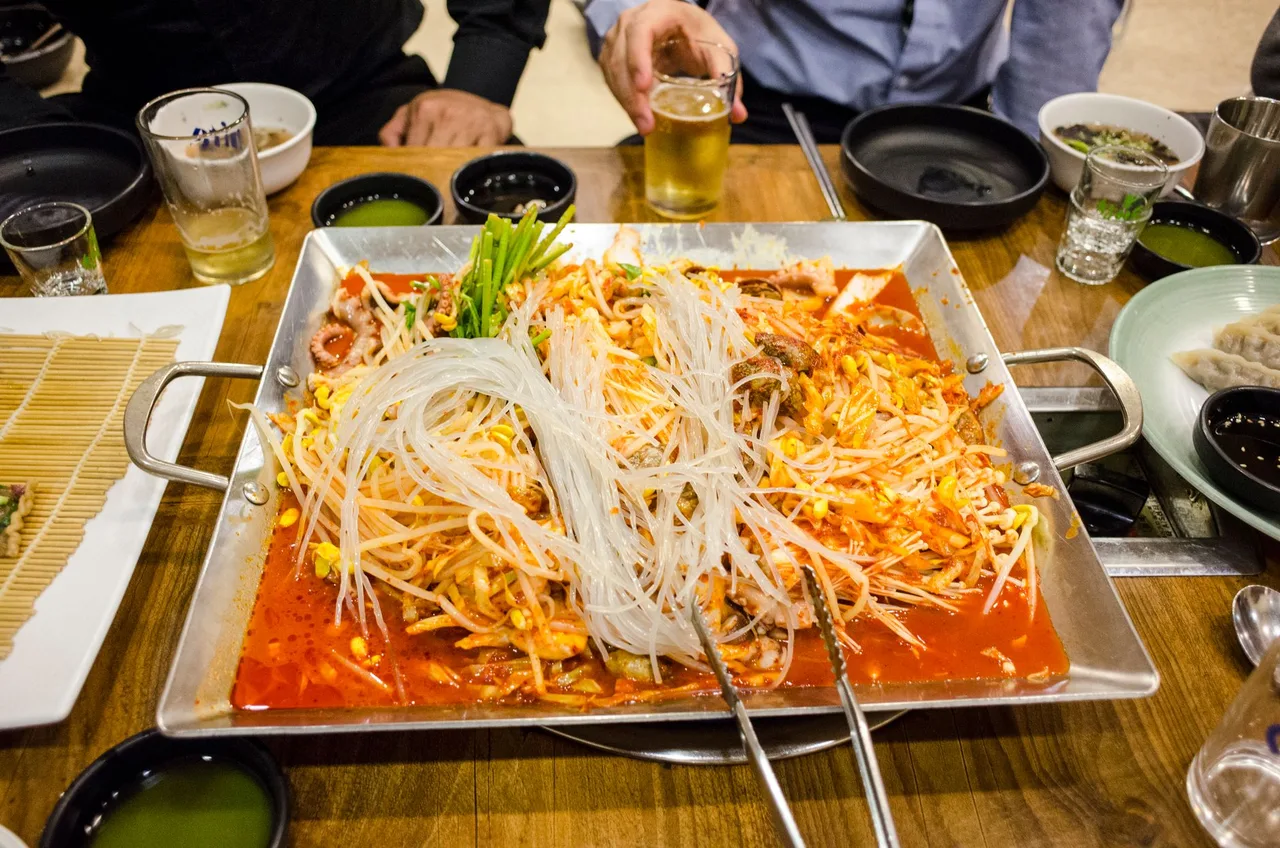
Korean cuisine offers a rich mix of flavors, with dishes that are both comforting and deeply satisfying. From the savory sweetness of bulgogi to the spicy tang of kimchi jjigae, there's a Korean dinner recipe to suit every palate.
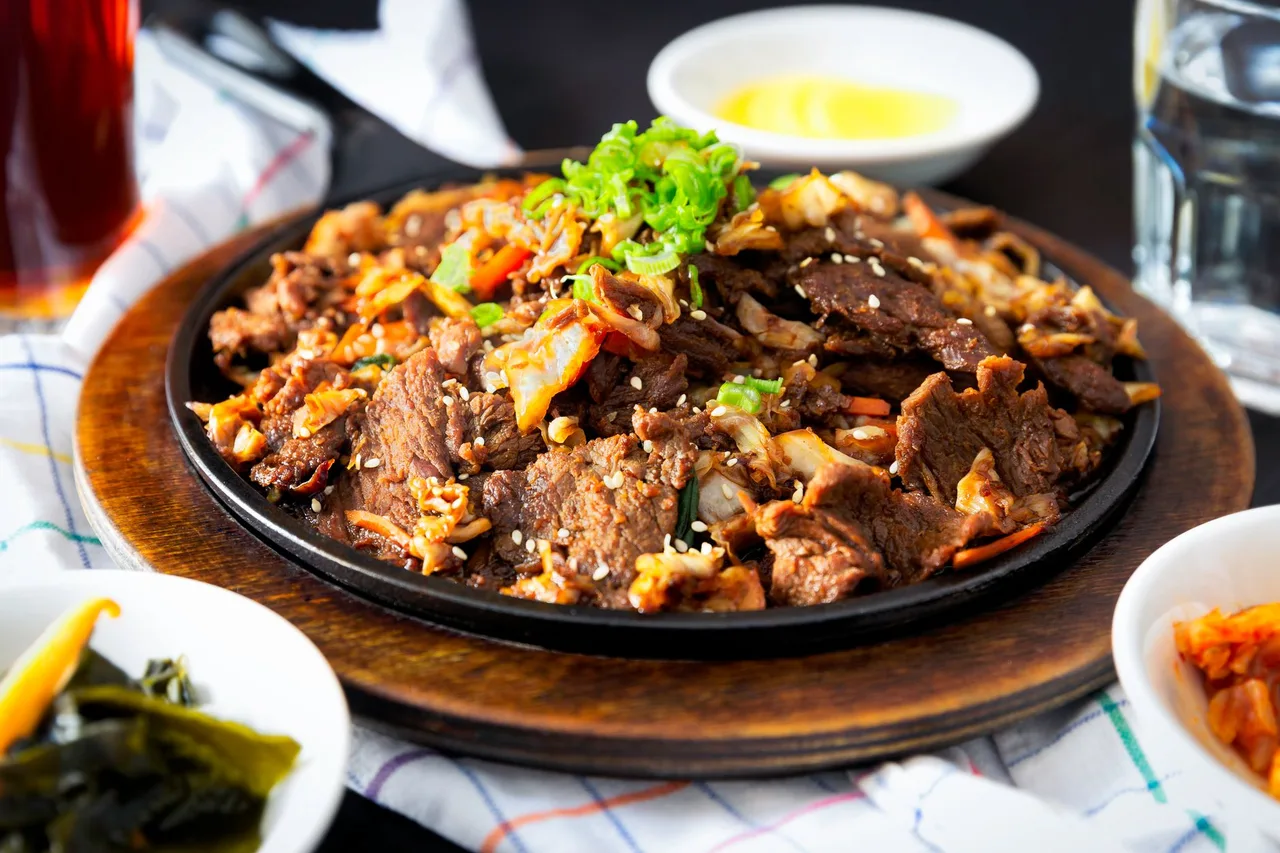
Bulgogi: Korean marinated beef BBQ
Bulgogi is one of those dishes that instantly comes to mind when you think of Korean home cooking. The name literally means "fire meat," but don't let that intimidate you—it's all about thinly sliced beef that soaks up a deeply flavorful marinade before being grilled or pan-fried. What I love most about bulgogi is how the combination of soy sauce, sugar, sesame oil, and garlic creates a savory-sweet balance that keeps the beef incredibly tender and juicy. When you cook it, the sugars in the marinade help the meat caramelize slightly, filling your kitchen with a mouthwatering aroma.
Preparing bulgogi at home is easier than it seems. The key is to slice the beef very thin—many Korean markets sell it pre-sliced, but you can also freeze a steak for about 30 minutes to make it easier to cut. After marinating for at least an hour, you can grill it on a barbecue or simply use a hot pan. I usually serve it with steamed rice and a few lettuce leaves for wrapping, with a bit of kimchi on the side. If you're curious about the traditional way to enjoy Korean BBQ, take a look at our Korean BBQ 101 guide.
Bulgogi is a great introduction to Korean flavors for anyone new to the cuisine. The sweetness and umami from the marinade are crowd-pleasers, and you can adjust the recipe with a bit more garlic or a splash of pear juice if you want to get closer to what you’d taste in Korea.
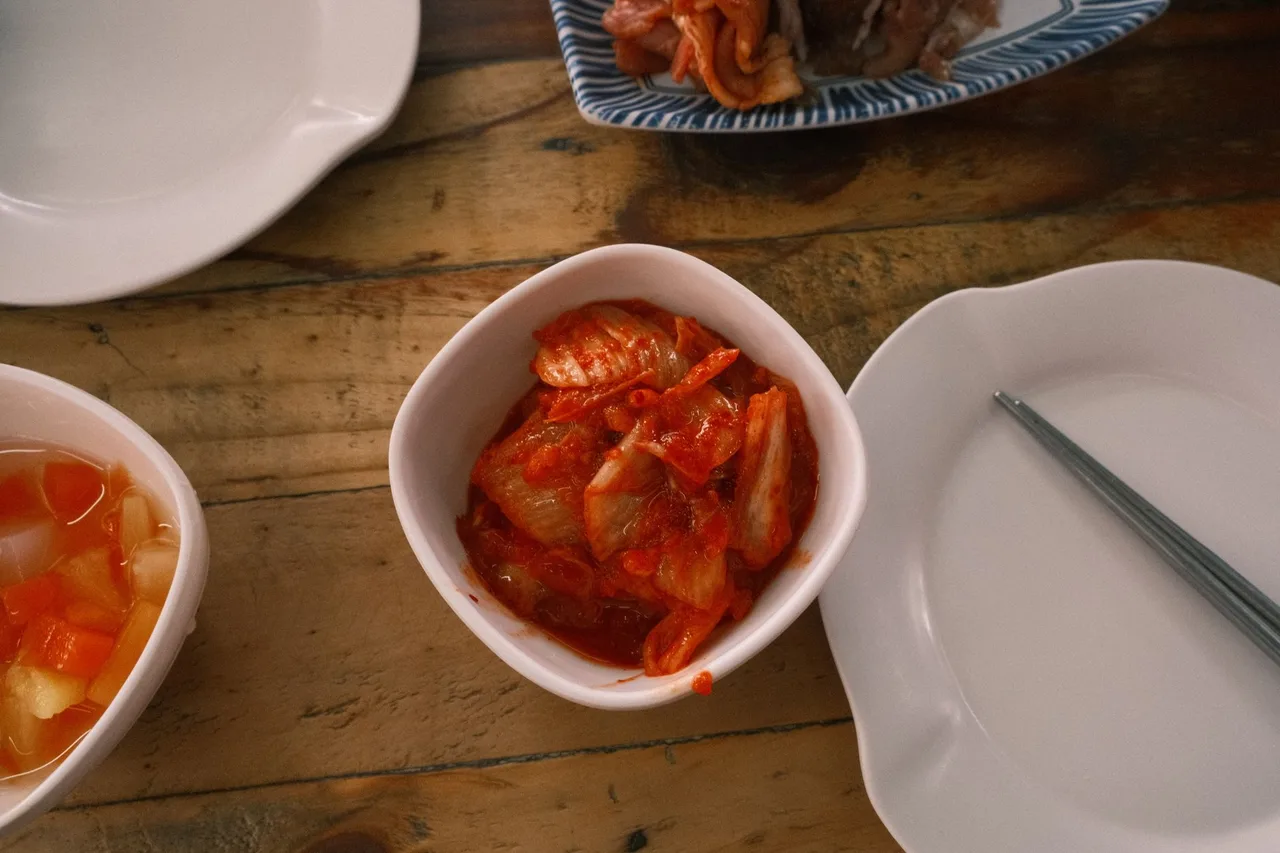
Kimchi jjigae: Spicy kimchi stew
Kimchi jjigae is the dish I crave most on a cold, rainy day. This spicy stew is the ultimate comfort food in Korean homes, made by simmering aged kimchi with pork and tofu until everything blends into a tangy, hearty broth. The secret to great kimchi jjigae is using well-fermented kimchi—its sour, punchy flavor deepens as it cooks, making the stew richer and more complex.
You’ll find kimchi jjigae on tables across Korea, no matter the season. What I find special about this stew is its flexibility: you can add mushrooms, zucchini, or even canned tuna if you’re short on pork. The tofu soaks up the spicy liquid, and the pork becomes meltingly tender. I like to eat it bubbling hot, with a bowl of rice to balance the heat. For many Koreans, this dish is a reminder of home and family, and it’s often the first thing people learn to cook once they move out.
Making it at home isn’t complicated. Start by sautéing the kimchi and pork together, then add water and tofu, and let it simmer until everything melds together. It’s a fantastic way to use up leftover kimchi. If you want more ideas on what to order and try as a first-timer, check out our food guide for beginners.
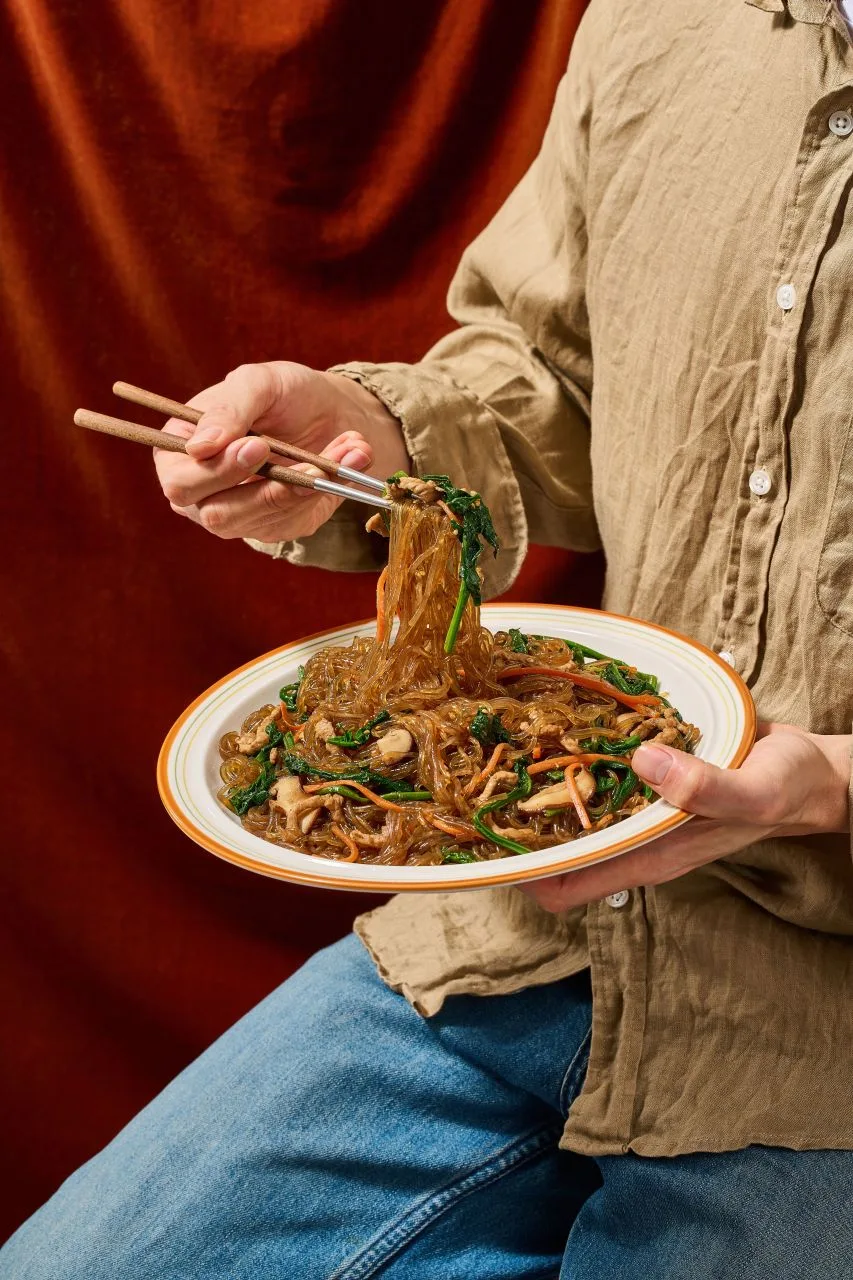
Japchae: Stir-fried glass noodles
Japchae is a classic party dish in Korea, but it’s just as satisfying for a weeknight dinner. What makes japchae stand out are the chewy glass noodles, known as dangmyeon, which are made from sweet potato starch. These noodles get tossed with stir-fried vegetables—usually carrots, spinach, mushrooms, and onions—and sometimes thin strips of beef. The entire dish is seasoned with soy sauce and sesame oil, giving it a glossy look and a deeply savory flavor.
I first tried making japchae at home after tasting the real thing at a Korean friend’s birthday. It turns out you don’t need a special occasion to enjoy it. The biggest tip I can offer is to cook each vegetable separately before mixing them with the noodles. This keeps the colors bright and the flavors distinct, which is why japchae always looks so appetizing at a Korean gathering.
Japchae is often served at room temperature, which makes it a great make-ahead dish for potlucks or picnics. If you want to skip the beef, it’s easy to keep it vegetarian. The noodles themselves have a lovely bounce, and they soak up the savory-sweet sauce beautifully. For more classic Korean dishes you can try at home, take a look at our Korean food list.
Samgyeopsal: Grilled pork belly
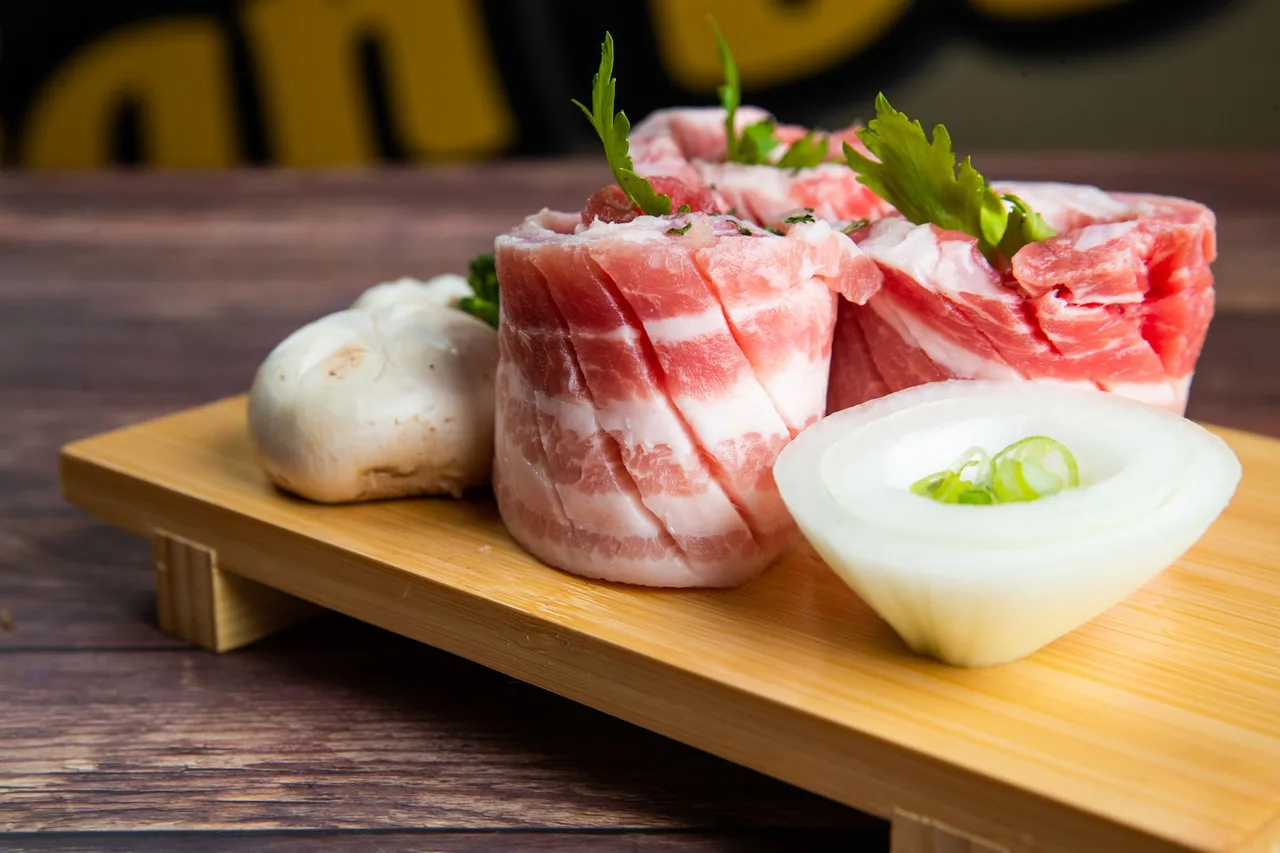
Samgyeopsal is the Korean dinner that turns the home table into a lively grilling experience, featuring thick, juicy slices of pork belly cooked right in front of you. The appeal of samgyeopsal goes beyond the taste—there’s something satisfying about tending the sizzling pork as it browns, then wrapping each piece in fresh lettuce with raw garlic, a dab of ssamjang (savory-spicy soybean paste), and whatever else you fancy. While a restaurant grill is ideal, a simple tabletop pan or griddle at home does the job.
You quickly find that samgyeopsal isn’t about elaborate marinades—the pork belly is usually left plain so the fat cooks down, crisping the edges while the inside stays tender. At home, I always lay out bowls of sliced garlic, green chili, and a plate of sturdy lettuces, plus ssamjang and sesame oil with salt for dipping. Everyone assembles their own ssam (wrap), experimenting with combinations. If you want to try the real ritual, check out our Korean BBQ 101 guide, which explains the side dishes and etiquette that make this meal social.
What I love is how samgyeopsal brings people together—there’s no rush, just a slow meal built bite by bite. Even if you’re new to Korean cooking, it’s one of the easiest dinners to replicate, since the core flavor comes from the fatty pork and the interplay of fresh and pungent toppings. Just open a window, crank up the heat, and let everyone dig in.
Doenjang jjigae: Soybean paste stew
Doenjang jjigae is the Korean kitchen’s answer to comfort food—a warm, deeply flavorful stew made with fermented soybean paste, tofu, and an assortment of vegetables. It’s the dish I turn to on cold evenings or when I want something nourishing but straightforward. The signature taste comes from doenjang, a robust, earthy paste that infuses every spoonful with umami.
At home, most families make their doenjang jjigae from whatever vegetables are on hand, but the essentials are always there: cubes of tofu, slices of zucchini, potato, sometimes mushrooms, and a bit of chili for heat. Simmered together, they create a broth that’s both light and substantial. The stew is usually served boiling hot, with rice and a few side dishes to round out the meal. What’s great is how adaptable it is—if you have the soybean paste, you can improvise with the rest.
Doenjang jjigae is a staple you’ll see in Korean homes and restaurants alike. It’s also a classic “banchan” (side dish) when you order barbecue. If you’re new to Korean food, this stew is an easy way to discover the deep flavors of Korean fermentation, and it pairs beautifully with simple rice. For more beginner-friendly ideas, check out our starter food guide.
Dakgalbi: Spicy stir-fried chicken
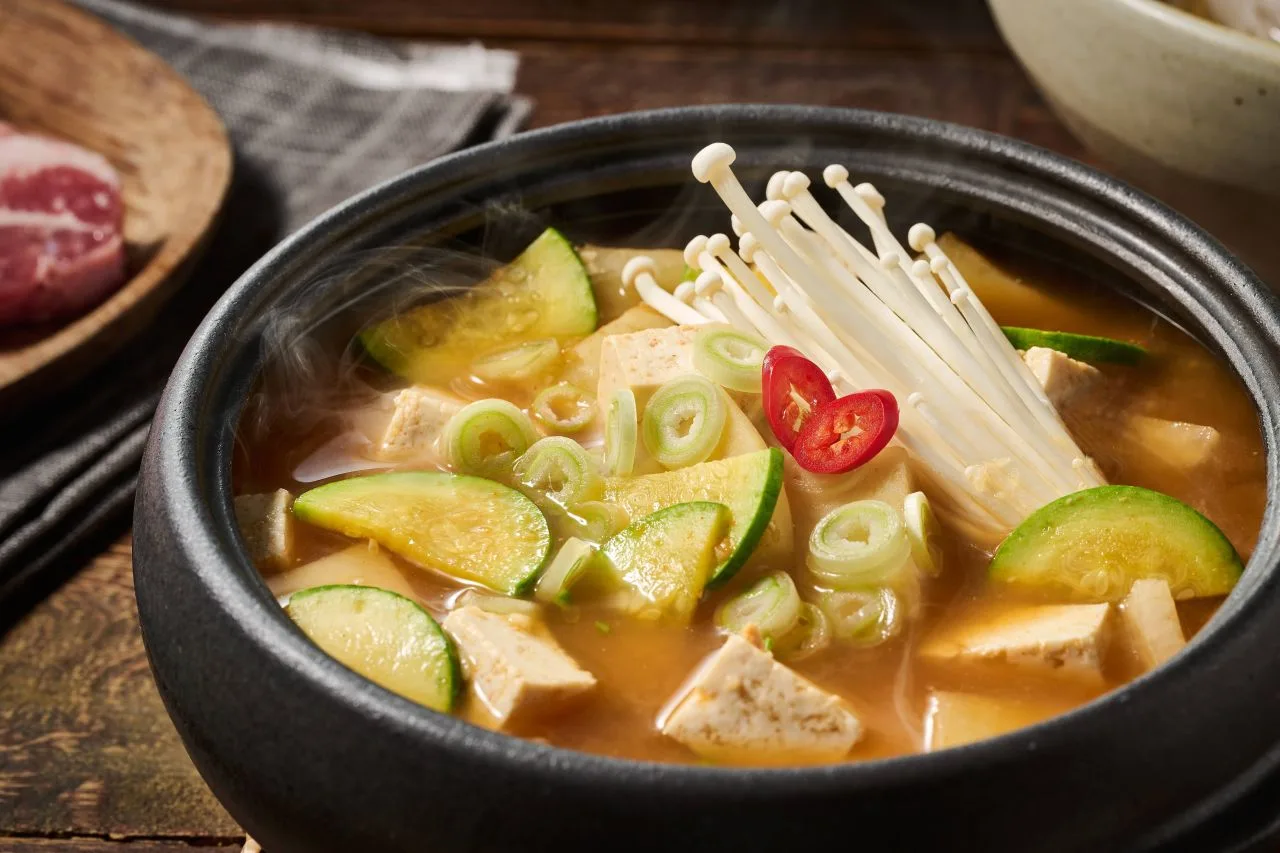
Dakgalbi is a fiery stir-fried chicken dish that’s pure Korean comfort—chunks of chicken, cabbage, sweet potatoes, and chewy rice cakes tossed in a gochujang-based sauce, all cooked together until the flavors meld and the sauce thickens. It’s a meal that demands a big pan at the center of the table, as everyone gathers around to scoop up the spicy, saucy mix.
What sets dakgalbi apart is the bold heat of the gochujang (Korean red chili paste), tempered by the sweetness of vegetables and the soft texture of tteok (rice cakes). Each bite is a balance of spicy, savory, and a touch of sweetness. You can easily make it at home by marinating bite-sized chicken pieces in gochujang, garlic, and a splash of soy sauce, then stir-frying them with chopped cabbage, onions, and sweet potato. Some people add perilla leaves or top it with mozzarella at the end for a modern twist.
There’s something communal about dakgalbi—it’s designed to be shared, with everyone reaching in for their favorite part. If you’re looking for more Korean dishes to try after dakgalbi, see our full Korean food list. I find dakgalbi especially good for a casual night with friends, when you want lots of flavor and minimal fuss. The leftovers, if you have any, are fantastic fried up with rice the next day.
Sundubu jjigae: Soft tofu stew
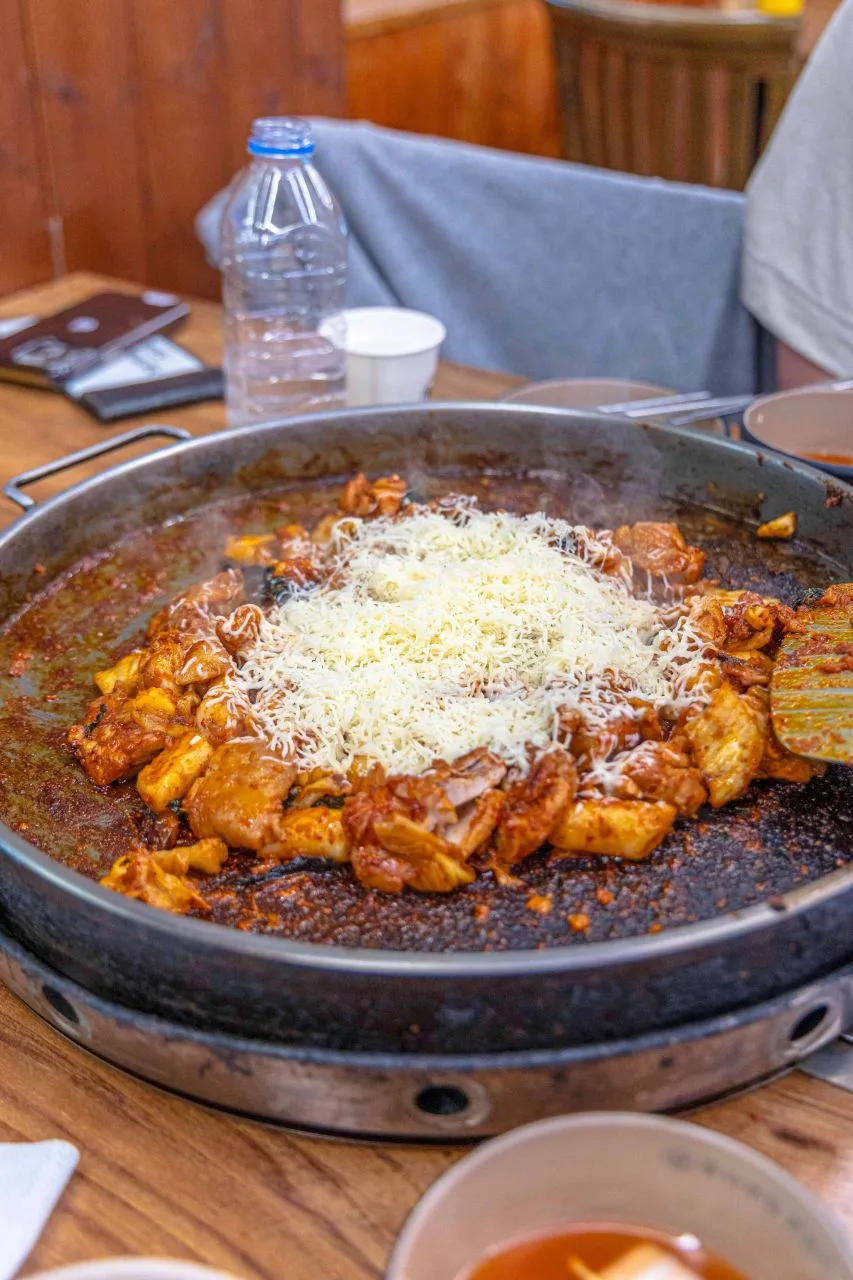
Sundubu jjigae is one of those dishes that instantly transports me to a busy Korean restaurant, with its earthenware pot arriving at the table still bubbling. The star here is sundubu, or uncurdled soft tofu, which gives the stew its creamy texture and gentle flavor. Vegetables like zucchini, mushrooms, and onions usually form the base, but you’ll often find seafood like clams or shrimp, or slices of pork or beef, added for extra depth. What sets sundubu jjigae apart is its spicy broth, typically tinted red from gochugaru (Korean chili flakes) and seasoned with garlic. When served, it’s traditional to crack a raw egg into the stew right at the table—the heat cooks it gently, adding another layer of richness to each spoonful.
Making sundubu jjigae at home is more approachable than it looks. All you need is soft tofu, some vegetables, and your protein of choice. The key is to build flavor in the broth by sautéing aromatics first, then letting everything simmer together. I like to serve it with steamed rice and a few side dishes. The stew is especially comforting on cold nights or when you’re craving something spicy and warming. If you’re new to Korean food, sundubu jjigae is a great introduction to the way Korean cuisine balances heat and umami. For more about what to try first, check out our Korean food beginner’s guide.
Galbitang: Short rib soup
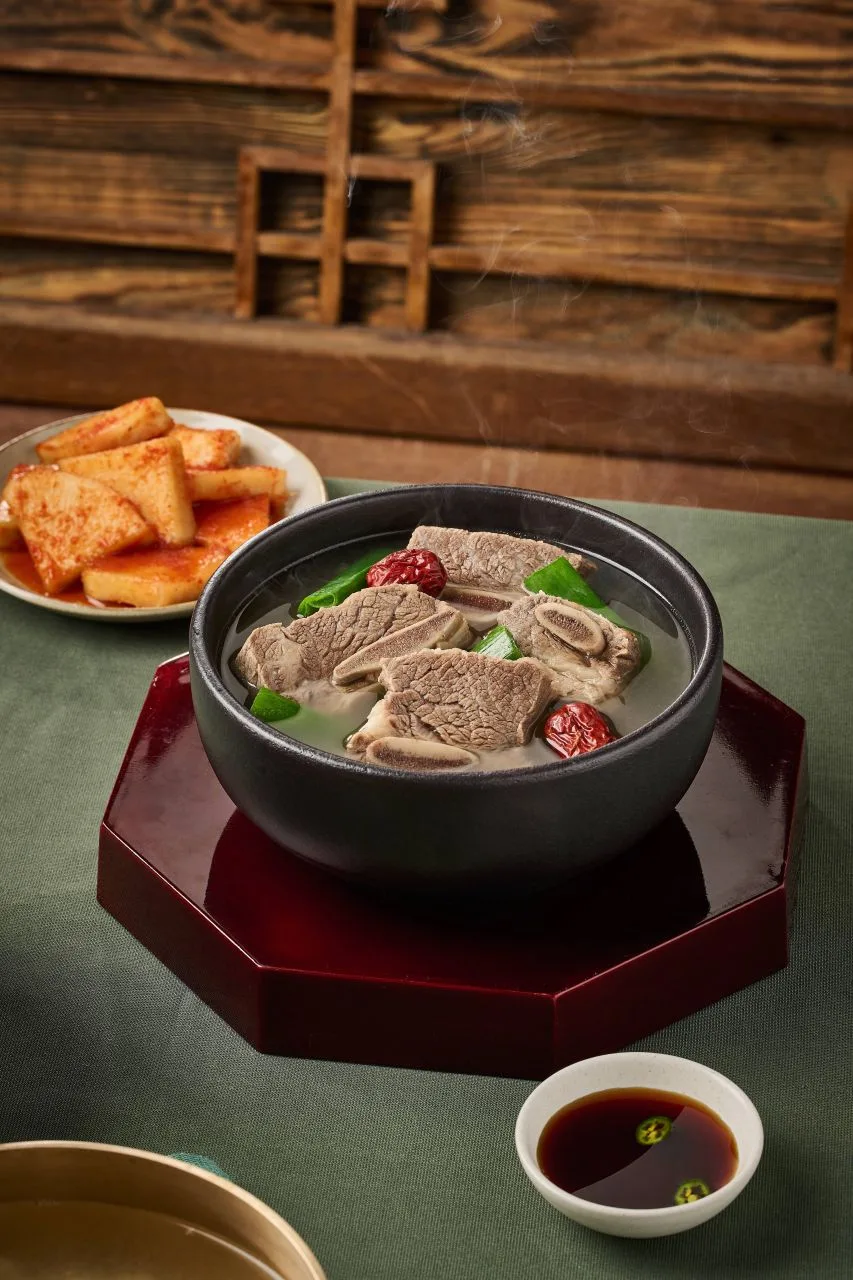
Galbitang is my go-to when I want something hearty but not overly spicy. This clear soup is all about the beef short ribs, which are simmered for hours alongside radish and glass noodles. The result is a broth that’s deeply savory, yet light and gentle. The beef becomes incredibly tender, and the radish soaks up all those beefy flavors, offering a subtle sweetness in every bite. Unlike some other Korean soups, galbitang is not fiery—it’s the kind of meal that feels restorative, perfect for days when you need comfort food.
At home, galbitang takes some patience, but very little fuss. You start by parboiling the ribs to remove impurities, then simmer them with chunks of radish, a few aromatics, and finally add dangmyeon (Korean glass noodles) near the end. It’s often served with a bowl of rice and a few banchan (side dishes). The clear broth makes it a favorite for those who are new to Korean food or not fond of spicy flavors. If you’re interested in exploring more classic Korean dishes beyond the usual barbecue and stews, galbitang is a staple that shows the more subtle side of Korean home cooking. For more ideas, browse our list of essential Korean foods.
Tteokbokki: Spicy rice cakes
Tteokbokki brings me back to late-night strolls through Korea’s street markets, where its spicy aroma always draws a crowd. This dish features chewy rice cakes, or tteok, simmered in a bright red, gochujang-based sauce that’s both spicy and sweet. The sauce clings to every bite, offering a kick of heat balanced by a touch of sugar. Tteokbokki isn’t just about the rice cakes, though—fish cakes (eomuk), boiled eggs, and sometimes scallions or cabbage are common additions, making the dish even more satisfying.
Tteokbokki is a beloved comfort food and a typical snack for students and late-night eaters alike. It’s easy to prepare at home with just a few ingredients: rice cakes, gochujang (Korean chili paste), sugar, soy sauce, and whatever extras you like. The key is to simmer the sauce until it thickens and the rice cakes turn irresistibly soft and chewy. I love making a big pan to share with friends, especially during movie nights. If you want to dive deeper into Korea’s street food culture and find more dishes like tteokbokki, don’t miss our Korean street food guide.
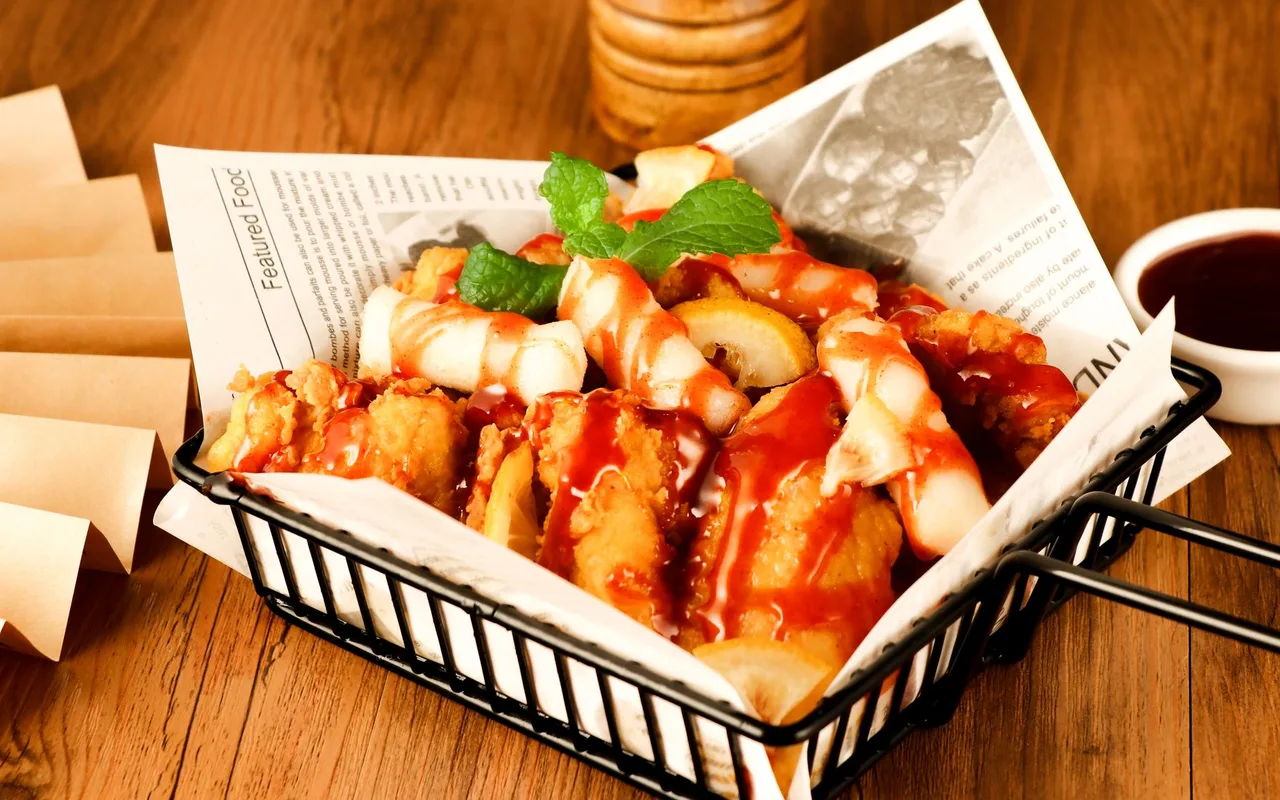
Exploring these authentic Korean dinner recipes allows you to experience the diverse and rich flavors of Korean cuisine right in your own kitchen. Gather your ingredients, follow the steps, and enjoy a delicious homemade Korean meal.
Frequently asked questions
What is bulgogi?
Bulgogi is a Korean dish of thinly sliced beef marinated in a savory-sweet sauce, then grilled or pan-fried to perfection.
How spicy is kimchi jjigae?
Kimchi jjigae has a moderate to high level of spiciness, depending on the kimchi and additional chili used in the recipe.
Can I make japchae vegetarian?
Yes, japchae can be made vegetarian by omitting the meat and adding more vegetables or tofu.
What is the main ingredient in doenjang jjigae?
The main ingredient in doenjang jjigae is fermented soybean paste, known as doenjang, which gives the stew its rich umami flavor.
Is tteokbokki gluten-free?
Tteokbokki can be gluten-free if made with rice cakes and a sauce that doesn't contain gluten, but it's important to check all ingredient labels to be sure.
Sources
This guide was researched using the references below. Prices and times change, so confirm anything time-sensitive on the official page before you rely on it.
Related guides
- Korean recipes with ground beefExplore easy and flavorful Korean dishes using ground beef, from bulgogi bowls to kimchi mandu, perfect for quick meals.
- Korean BBQ options near Incheon AirportA guide to enjoying authentic Korean BBQ near Incheon Airport, including top restaurant recommendations and practical tips for travelers.
- Korean BBQ in Incheon: A guide for foreignersDiscover the best Korean BBQ spots in Incheon, understand local dining etiquette, and learn how to enjoy this culinary experience like a local.
- Korean BBQ in Seoul: A guide for first-time visitorsDiscover the essentials of enjoying Korean BBQ in Seoul, from ordering and etiquette to top restaurant recommendations and solo dining options.
- Korean chicken recipes to try at homeExplore a variety of Korean chicken dishes, from spicy stir-fries to comforting soups, with recipes and cultural insights.
- Easy Korean recipes for beginnersDiscover simple Korean dishes like kimchi fried rice and bulgogi that you can make at home with minimal ingredients and time.