Seoul travel cards: T-money, Climate Card, and WOWPASS explained
A guide to Seoul's travel cards for foreigners, covering T-money, Climate Card, and WOWPASS, including purchase, usage, and benefits.
By Jae Park · Updated Jul 21, 2026
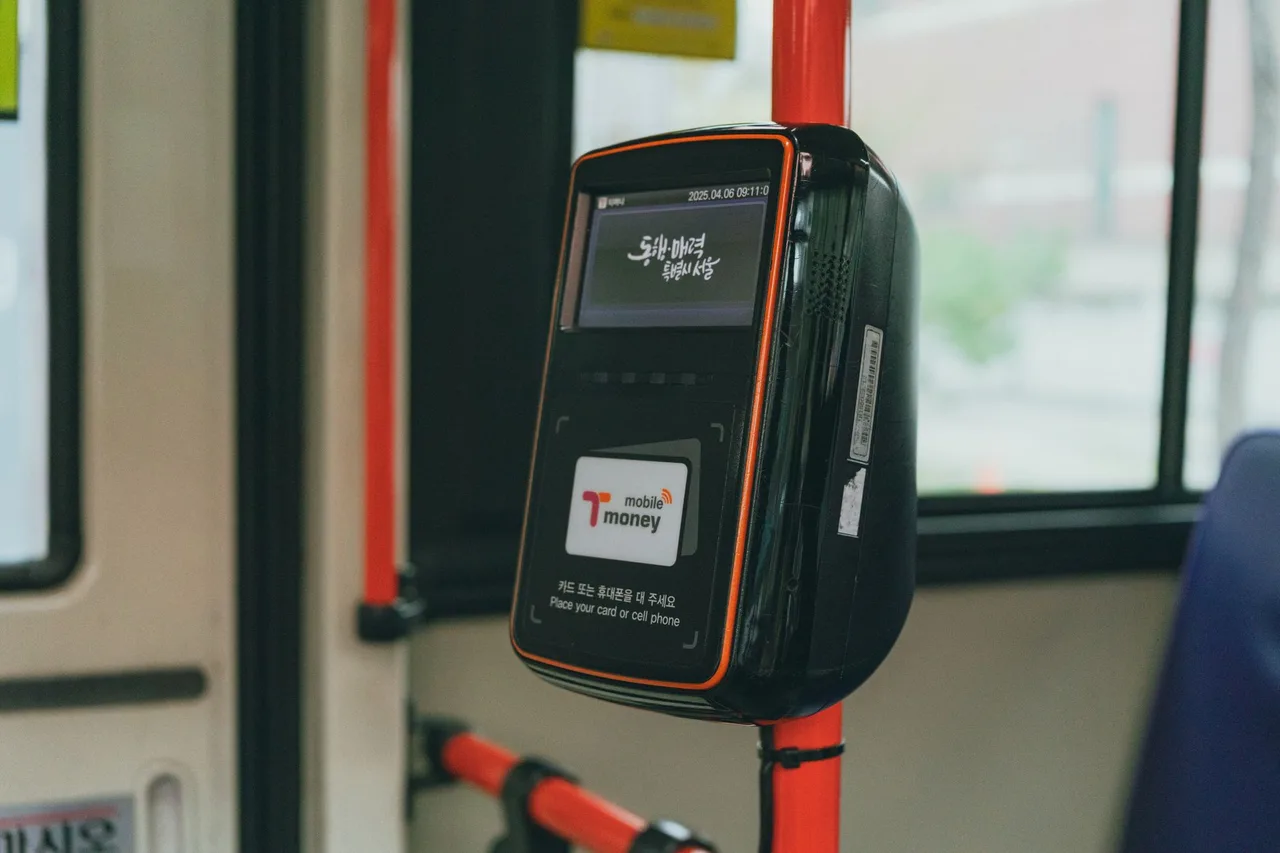
Navigating Seoul's extensive public transportation system is made easier with travel cards like T-money, Climate Card, and WOWPASS. Each card offers unique benefits tailored to different types of travelers.
What is a T-money card?
A T-money card is a rechargeable smart card that makes getting around South Korea straightforward, especially for visitors navigating Seoul’s extensive public transport system. You’ll spot locals and travelers alike tapping their T-money cards at subway gates, on buses, and even in taxis. What surprised me when I first arrived was just how widely accepted the card really is—most convenience stores (like GS25, CU, and 7-Eleven) let you pay for snacks or drinks with a T-money card, removing the stress of fumbling for coins or small bills.
This card isn’t limited to Seoul; you can use it on public transportation in cities across the country. It’s designed for efficiency: just top it up and tap to pay, with no need to buy individual subway or bus tickets each time. T-money also offers fare discounts and free transfers between subway and bus within 30 minutes, which can add up to real savings if you’re hopping around the city. The convenience factor is huge, especially if you’re not fluent in Korean—one tap, and you’re through.
For foodies, it’s handy to know that several convenience stores where you can use your T-money are also great places to grab a quick bite. If you’re planning to explore Korean menus, check our how to read a Korean menu guide.
How to purchase and use a T-money card
Getting your hands on a T-money card is easy. You can buy one at nearly any convenience store—GS25, CU, and 7-Eleven are everywhere—or at subway stations throughout Seoul and other major cities. The card itself costs between ₩2,500 and ₩4,000. You’ll need to load at least ₩1,000 to start using it, but I recommend topping up a bit more if you plan on taking several rides in a day. Top-ups are quick at convenience stores or using machines in subway stations; just hand over cash or use a local card.
To use it, simply tap the card on the reader when you enter and exit the subway or bus. The system automatically deducts the correct fare. If you switch from subway to bus (or vice versa) within 30 minutes, you’ll get a free transfer, which is a real money-saver. Taxis also accept T-money, and I’ve found it especially helpful late at night when I didn’t have enough cash. The card also works for small purchases at most convenience stores, which helps avoid carrying loose change.
If you have any remaining balance at the end of your trip, you can get a refund at most convenience stores, usually minus a ₩500 service fee. There’s no deposit for the card itself, so you don’t need to worry about extra costs on top of your usage. For those looking to try Korean snacks or drinks, convenience stores double as both a recharge spot and a place to discover new tastes. If you’re curious what to try first, our Korean food guide for first-timers is a great place to start.
Understanding the Climate Card
The Climate Card is Seoul’s answer for anyone planning to use public transportation frequently over a set period—think unlimited subway and bus rides, with no need to check your balance every trip. The card offers a simple pricing structure: you can choose a 1-day pass for ₩5,000, a 3-day for ₩10,000, 5-day for ₩15,000, 7-day for ₩20,000, or a full 30-day pass for ₩62,000. I’ve used the 7-day option during a packed week in Seoul, and it took all the mental math out of budgeting for transport.
You can buy a Climate Card at most subway station vending machines or at convenience stores. The physical card costs ₩3,000, which is a one-time purchase. A huge improvement in recent years: as of March 2026, 440 ticket machines across 273 subway stations accept foreign-issued credit and debit cards for buying and recharging both Climate Cards and single-journey tickets. Just watch for a small service fee, usually around 3.7%, when using international cards.
One thing to keep in mind: the Climate Card is only valid for Seoul’s public transportation system, so it won’t cover travel to nearby cities or the airport express. But if you’re sticking to the capital, you’ll never have to worry about running out of credit or missing a transfer window. At the end of your trip, any remaining balance can be refunded at most convenience stores, typically with a ₩500 fee deducted.
If you’re preparing for your trip to Korea, it’s worth reading our Korea travel arrival card guide for tips on a smooth arrival.
Purchasing and using the Climate Card
Buying a Climate Card in Seoul is surprisingly straightforward, even if you don’t speak Korean. You can pick one up at most subway station vending machines or at convenience stores like GS25, CU, or 7-Eleven. The pass is available in multiple durations to fit your plans: a 1-day Climate Card costs ₩5,000, while 3, 5, 7, and 30-day options are ₩10,000, ₩15,000, ₩20,000, and ₩62,000 respectively. There’s a one-time physical card fee of ₩3,000, so factor that into your budget if you’re planning a longer stay.
One major upgrade as of 2026 is that you can now use foreign-issued credit and debit cards at over 440 ticket machines in 273 subway stations to buy and recharge your Climate Card or single-journey tickets. Just be aware there’s a service fee of roughly 3.7% when using an international card. Once you’ve got your pass, simply tap it at subway turnstiles or bus card readers as you would with a T-money card. I found the unlimited rides especially convenient during busy festival weeks when I crisscrossed Seoul several times a day.
Refunds for any remaining balance are possible at subway station service counters, usually with a ₩500 service fee. The Climate Card is perfect if you plan to use public transport frequently and want to avoid the hassle of topping up all the time. Just remember, its unlimited rides only apply within Seoul’s public transportation system, so if you venture outside the city, you’ll need a different payment method. For more local etiquette tips while riding, check out our Korean etiquette guide.
Introducing WOWPASS
WOWPASS is a practical solution for travelers who want to combine money exchange and a transit card in one. It’s designed specifically for foreigners, making it easier to get around without worrying about finding a bank or cash exchange office first. With WOWPASS, you can load Korean won onto the card using your own foreign debit or credit card, or by inserting cash at the kiosk. This feature is a real lifesaver when you’ve just landed and haven’t had time to sort out local currency.
What sets WOWPASS apart from the standard T-money or Climate Card is its “all-in-one” approach. It lets you handle currency exchange and transportation payments with a single card, so you don’t have to juggle multiple cards or worry about spare change. I’ve seen many travelers relieved by not having to line up at the airport money changers or figure out Korean ATMs right after a long flight. Once loaded, you use WOWPASS just like a T-money card: tap it on buses, subways, or even some taxis and convenience stores. The entire process is designed to be user-friendly, with multi-language instructions at the kiosks.
If you’re juggling SIM cards or eSIMs on arrival, it’s helpful that you can pick up a WOWPASS at the same spots you’d get your connectivity sorted. For more on staying connected, see our SIM vs eSIM guide for Korea. WOWPASS is ideal if you want a hassle-free arrival and don’t want to carry wads of cash.
Where to get and how to use WOWPASS
You’ll spot WOWPASS kiosks right in the arrivals area of Incheon International Airport, as well as in major subway stations and some larger hotels across Seoul. The process is refreshingly simple compared to traditional bank counters: the kiosk has clear English instructions and accepts both foreign cards and cash. I picked mine up at Seoul Station after a red-eye, and it took less than five minutes from start to finish, including loading my initial balance.
To use the card, just tap it on subway turnstiles, bus readers, or wherever you’d use a T-money card. WOWPASS works exactly like T-money in the city’s transit system, so you don’t need to learn any new steps. It’s also accepted at some convenience stores for small purchases, making it useful beyond public transport. If you’re arriving via Incheon Airport, you might want to check our airport-to-Seoul guide for more arrival logistics, but the WOWPASS kiosks are well-marked and hard to miss.
One thing to note is that WOWPASS is designed for travelers, so the kiosks are often located in high-traffic, foreigner-friendly spots. If you ever need to top up, just revisit any kiosk or participating store. Losing your card is annoying, but it’s not the end of the world—customer service can help with balance transfers if you registered the card. Overall, using WOWPASS for transport payments is as smooth as it gets, with the added bonus of easy currency exchange right when you need it.
Comparing the travel cards: Which one suits you?
Choosing between T-money, the Climate Card, and WOWPASS in Seoul really depends on your travel style and how long you’re staying. If you’re just visiting for a few days and want something simple, T-money is the workhorse most travelers use. It’s easy to pick up at any convenience store or subway station for around ₩2,500–4,000, and you can top it up starting from ₩1,000. The card works on subways, buses, and even taxis across South Korea, not just Seoul, and you’ll get small fare discounts plus free transfers within 30 minutes between subway and bus. I personally found it the most convenient when hopping around the city for a long weekend. Just don’t forget to get your remaining balance refunded before you leave—there’s usually a ₩500 service fee for that.
If you’re planning to use public transport intensively, the Seoul Climate Card is worth a look. For a flat fee (₩5,000 for 1 day, ₩10,000 for 3 days, up to ₩62,000 for 30 days), you get unlimited subway and bus rides within Seoul. This card is best if you’re here for a week or more or know you’ll be taking a lot of rides each day. It’s available at subway vending machines and some convenience stores, and as of 2026, you can pay with international credit cards at most stations, though there’s a 3.7% service fee. Unlike T-money, the Climate Card is really only for Seoul—don’t expect it to work elsewhere.
WOWPASS is a different beast. It’s designed for visitors who arrive without Korean won or want to combine money exchange and transit in one card. You can load it with your foreign card or cash at kiosks in airports and major stations, and it works like a T-money for transport. This is handy if you want to avoid hunting down an exchange counter right away or want one card to handle both rides and convenience store purchases.
In summary, T-money is flexible and nationwide, ideal for short trips. The Climate Card is best for heavy Seoul transit users over several days. WOWPASS is all about convenience for travelers who don’t have local currency yet. For more on budgeting your Seoul adventure, see our guide to trip costs.
Choosing the right travel card depends on your stay duration and transportation needs. Evaluate each option to enhance your Seoul experience.
Location
Seoul, South Korea
View on Google MapsFrequently asked questions
Can I use a foreign credit card to purchase these travel cards?
Yes, as of March 2026, foreign-issued credit and debit cards are accepted at 440 ticket machines across 273 subway stations for purchasing and recharging Climate Cards and single-journey tickets.
Are there any additional fees when using a foreign credit card?
An average service fee of approximately 3.7% is applied when purchasing or recharging with internationally issued credit or debit cards.
Can I use these cards outside of Seoul?
T-money cards are accepted nationwide, while the Climate Card is primarily for use within Seoul's public transportation system.
Is there a deposit required for these cards?
T-money cards require a refundable deposit of ₩500 for single-journey tickets, but not for the card itself. Climate Cards do not require a deposit.
Can I get a refund for the remaining balance on these cards?
Yes, remaining balances on T-money and Climate Cards can be refunded, typically minus a service fee of ₩500.
Sources
This guide was researched using the references below. Prices and times change, so confirm anything time-sensitive on the official page before you rely on it.
Related guides
- Things to do in Seoul this weekendExplore Seoul this weekend with the Hangang River Festival, Official HIGE DANdism concert, and more. Enjoy cultural events, concerts, and outdoor activitie
- Top things to do in Seoul, KoreaExplore Seoul's rich history, lively neighborhoods, and unique experiences with our curated guide to the city's top attractions and activities.
- 10-day South Korea itinerary for first-time visitorsA comprehensive 10-day itinerary covering Seoul, Gyeongju, Busan, and Jeju Island, blending cultural landmarks, natural beauty, and culinary experiences.
- Top places to visit in SeoulExplore Seoul's blend of ancient palaces, lively markets, and modern attractions with this guide to the city's must-visit spots.
- Seoul travel passes: a comprehensive guide for visitorsExplore Seoul efficiently with travel passes like the Discover Seoul Pass and Climate Card, offering free entry to attractions and unlimited transit rides.
- Seoul travel guide for foreignersA comprehensive guide for foreigners visiting Seoul, covering transportation, budgeting, accommodations, dining, attractions, and cultural etiquette.