Korean recipes: a guide for beginners
Explore essential Korean recipes, their cultural significance, and tips for recreating authentic flavors at home.
By Jae Park · Updated Jul 24, 2026
Korean cuisine is renowned for its bold flavors and diverse dishes, many of which have been enjoyed for centuries. From the spicy tang of kimchi to the savory depth of bulgogi, these recipes offer a taste of Korea's rich culinary heritage.
Kimchi: Korea's iconic fermented dish
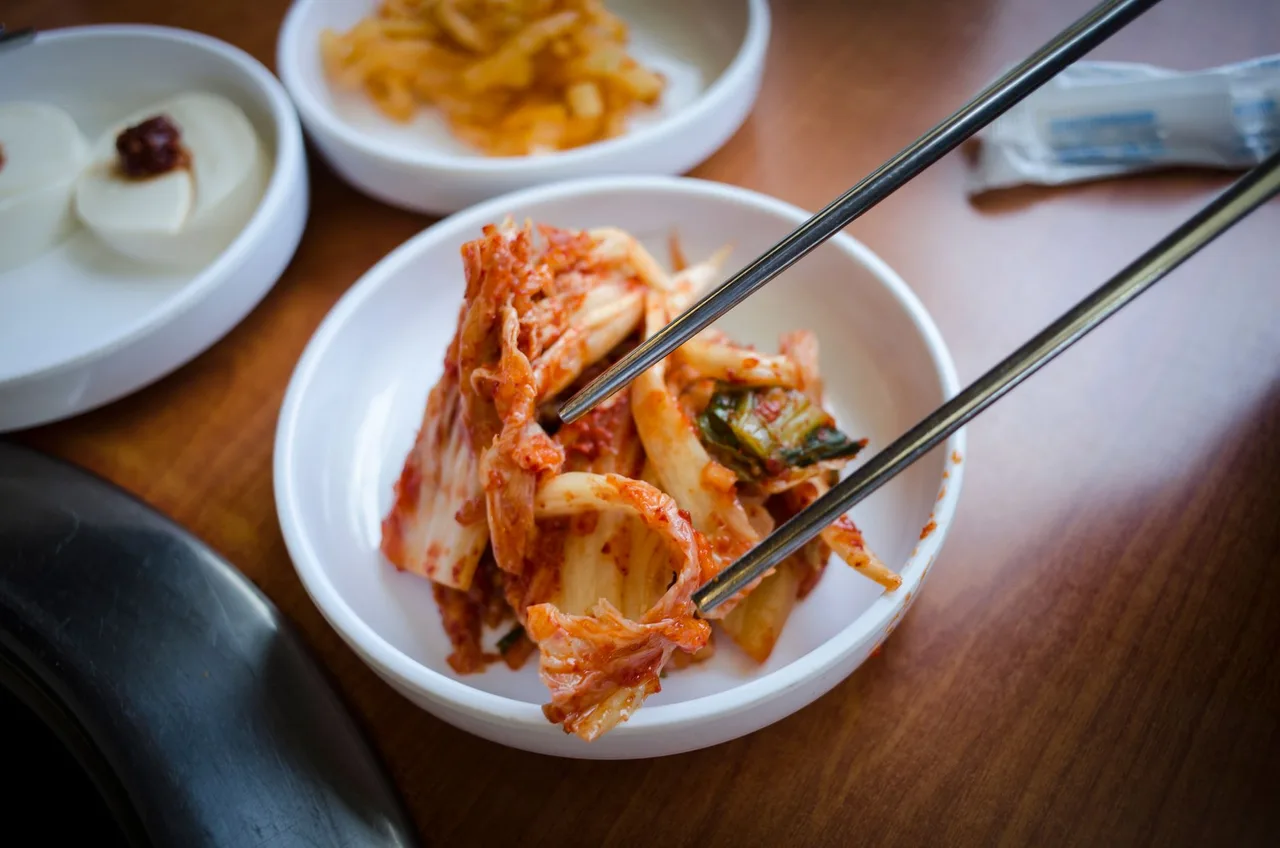
Kimchi is the first thing that comes to mind for most people when they think of Korean food, and for good reason. This spicy, tangy side dish is made by fermenting vegetables—most famously napa cabbage—with chili pepper flakes, garlic, and ginger. As someone who’s lived in Korea, I can tell you that no Korean meal feels complete without a small dish of kimchi on the table. The flavor is bold, sometimes sour, and always wakes up your palate, making it a perfect match for fatty meats and plain rice.
The process of making kimchi is a tradition itself, with families gathering to prepare large batches during kimjang season in late autumn. While there are hundreds of regional and seasonal variations—everything from radish to cucumber kimchi—the most common version uses napa cabbage. The fermentation process transforms the flavors, producing not just heat but also a pleasant tang that gets sharper the longer it sits. Some people are surprised by how fizzy or pungent well-aged kimchi can taste.
For beginners, store-bought kimchi is a great way to get started, but if you’re adventurous, trying your hand at making it at home can be very rewarding. It’s also a key ingredient in many iconic Korean dishes, like kimchi jjigae (kimchi stew). If you’re curious about what else to order and try as a first-timer, check out our food guide.
---
Bibimbap: a colorful mixed rice bowl
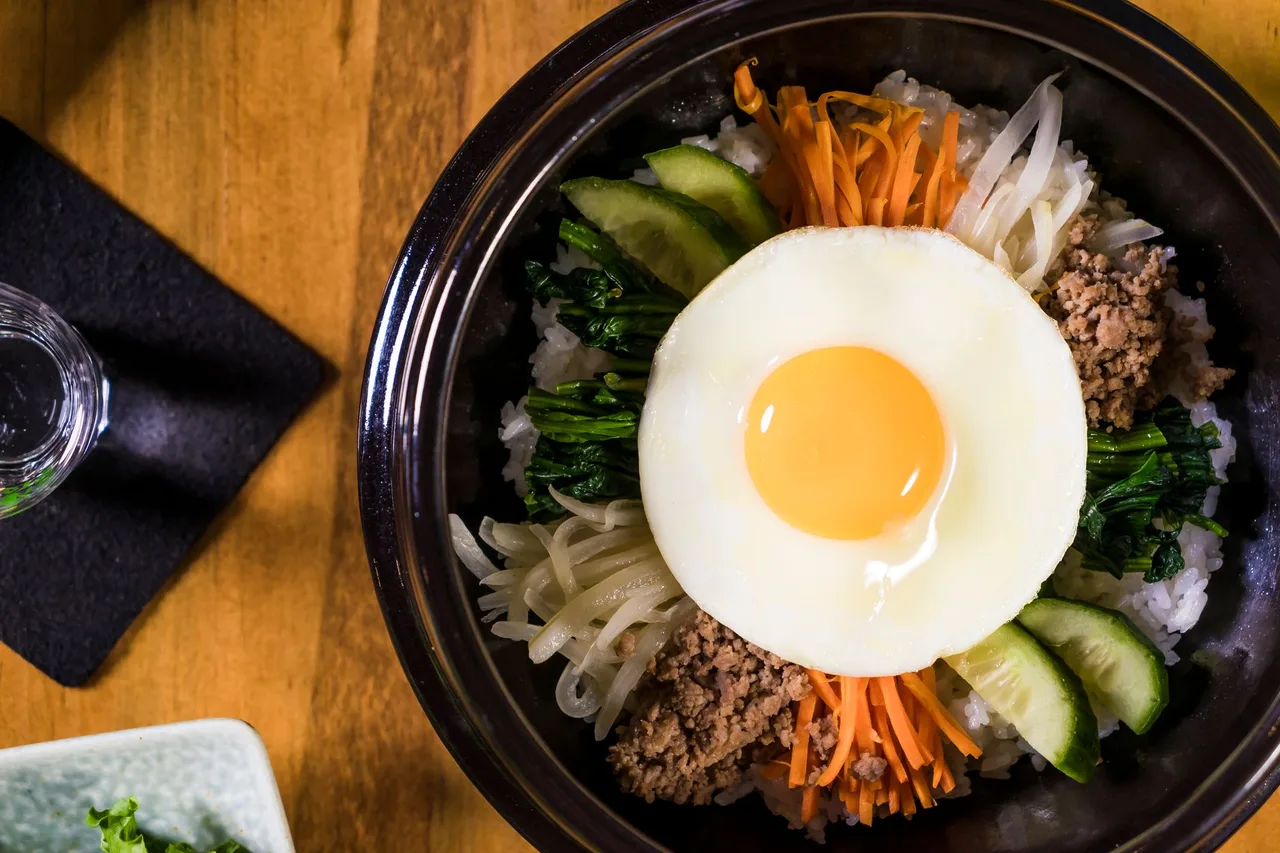
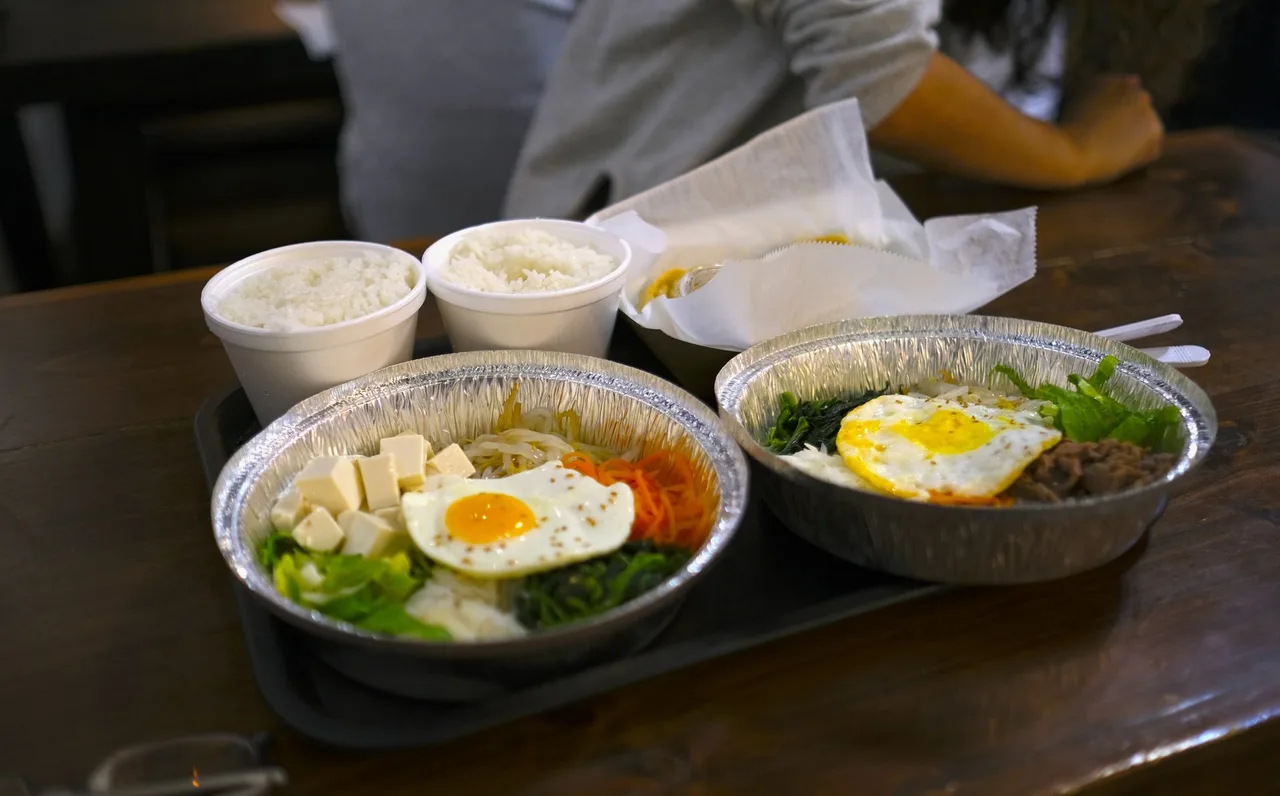
Bibimbap is one of those dishes that instantly catches your eye with its rainbow of toppings, and it’s just as satisfying to eat. At its core, bibimbap is a bowl of steamed rice topped with an assortment of sautéed or pickled vegetables, a few slices of beef, a fried egg, and a generous dollop of gochujang (Korean chili paste). The magic happens when you mix everything thoroughly, letting the flavors and textures come together.
I remember my first bowl of bibimbap in Jeonju, a city that claims to be its birthplace. It was a beautiful mess—crisp bean sprouts, earthy spinach, spicy gochujang, savory beef, and the runny yolk binding it all together. Every bite was different but balanced, a reflection of Korean cuisine’s focus on harmony and variety. There’s no strict rule for the toppings, so you’ll sometimes find mushrooms, zucchini, carrots, or even seaweed, depending on the region or restaurant.
For a healthier twist, many places offer vegetarian or vegan versions, substituting tofu for the beef. Bibimbap is easy to find across Korea, from humble eateries to train station cafeterias, and it’s a great choice if you want a full meal that leaves you feeling satisfied but not stuffed. If you want to explore more classic Korean dishes, this list is a good place to start.
---
Bulgogi: marinated and grilled beef
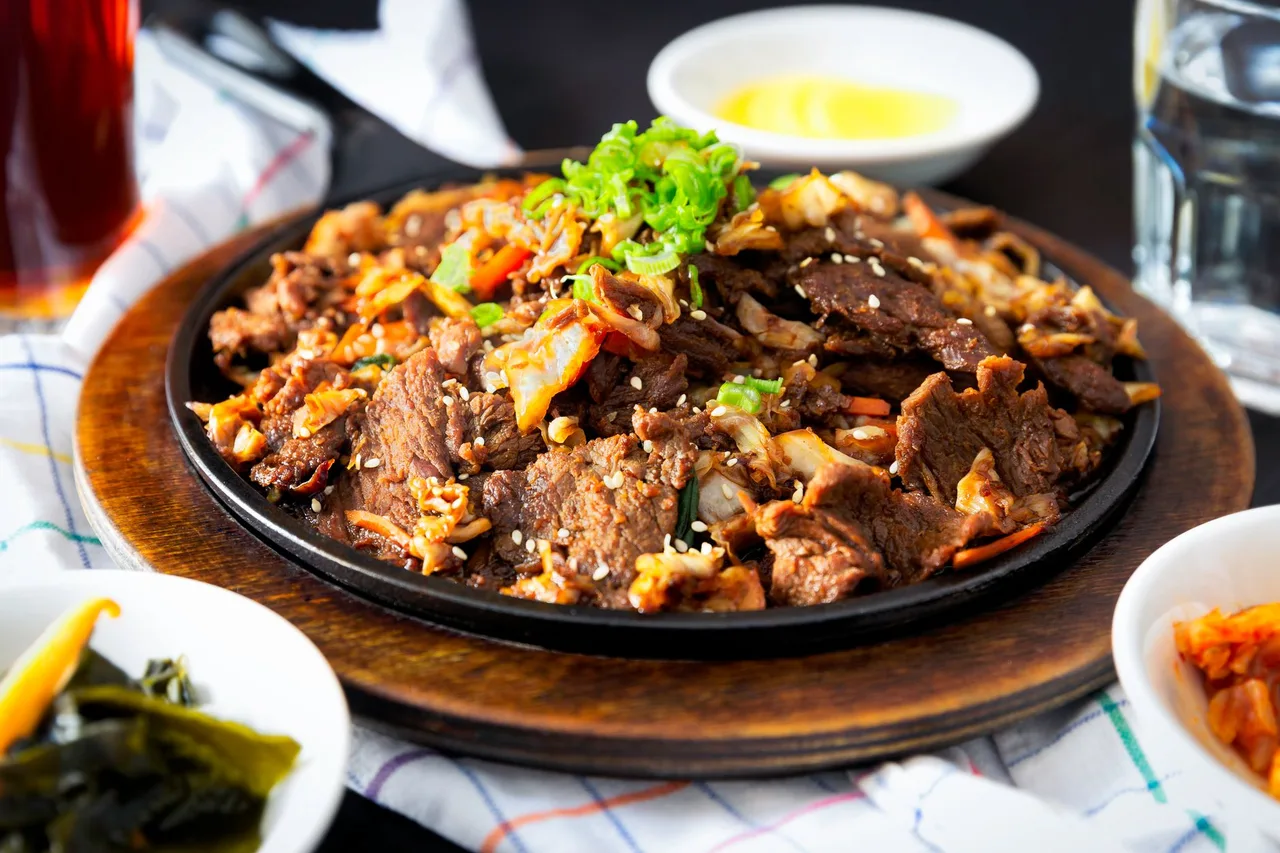
Bulgogi is a dish that’s hard to resist, even for those new to Korean food. The name means “fire meat,” and it lives up to its reputation with tender slices of beef marinated in a mixture of soy sauce, sugar, sesame oil, garlic, and pear. This marinade gives the beef a sweet, savory, and slightly smoky flavor after it’s grilled or stir-fried.
I’ve always found bulgogi to be one of the most approachable Korean dishes for newcomers. The pear in the marinade not only adds a subtle sweetness but also helps tenderize the meat. At Korean barbecue restaurants, you’ll often get to cook bulgogi yourself at the table, turning each slice over sizzling coals or a hot griddle. The aroma alone is enough to make you hungry, and the beef pairs beautifully with rice or wrapped in lettuce with a little bit of ssamjang (spicy soybean paste).
What I love about bulgogi is its versatility. You’ll see it served on top of rice, in lunchbox meals, or even in fusion dishes like bulgogi pizza. If you’re curious about how Korean barbecue works or want to try grilling bulgogi yourself, check out our Korean BBQ 101 guide. It’s a great introduction to the social side of Korean dining, where sharing food is just as important as the flavor.
Japchae: savory stir-fried glass noodles
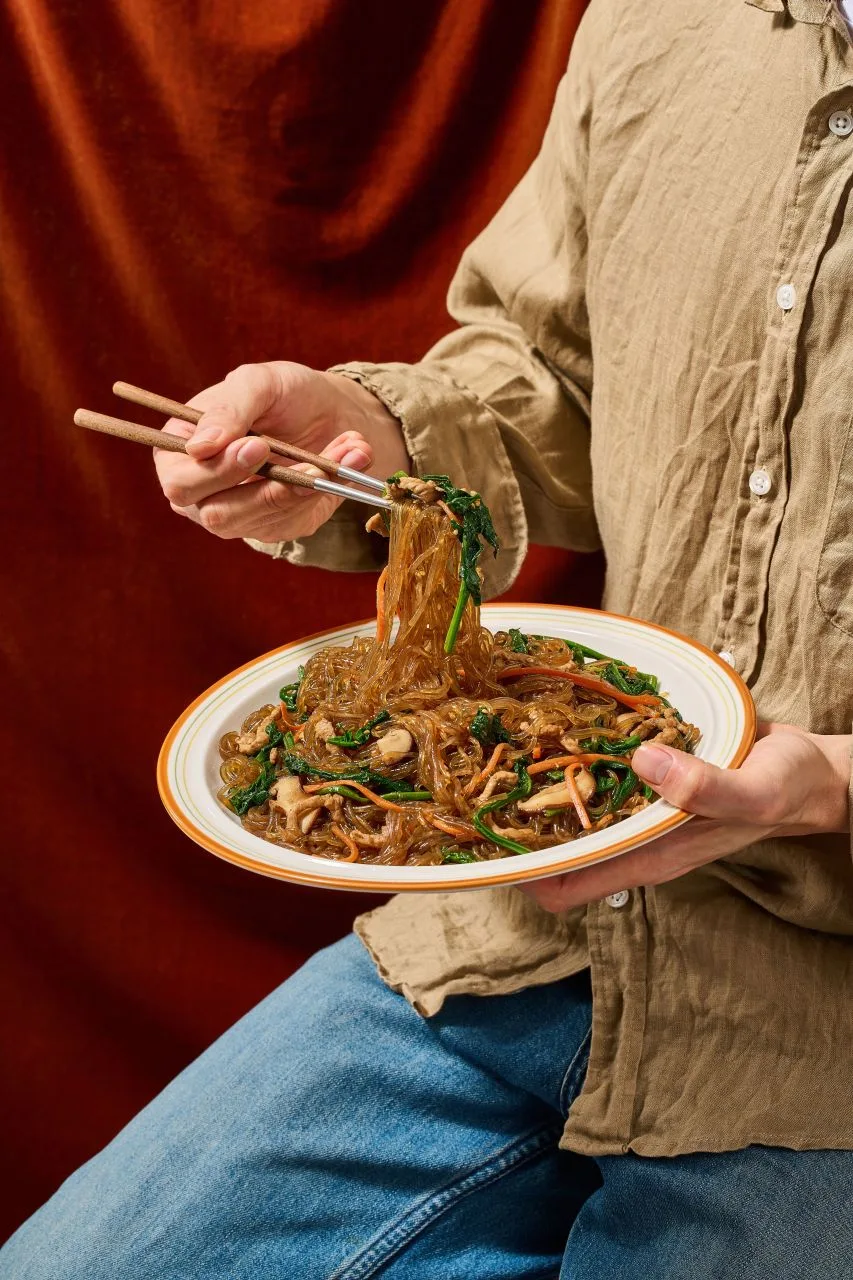
Japchae is a classic Korean dish featuring sweet potato starch noodles (dangmyeon) stir-fried with a colorful mix of vegetables and thinly sliced beef, all seasoned with soy sauce and sesame oil. When I had my first plate of japchae at a friend’s family home, I was struck by the springy texture of the noodles and the harmony between the savory, slightly sweet flavors and the fresh crunch of spinach and carrots. Japchae is often served during holidays or celebrations, but you’ll also find it at restaurants or packed in dosirak (lunch boxes) for a special treat.
The noodles themselves are almost transparent, soaking up the flavors of the sauce and the stir-fried ingredients. Traditionally, the dish is made by stir-frying each ingredient separately to preserve its color and texture, then bringing everything together with the noodles at the end. This attention to detail is part of what makes japchae so enjoyable, and the result is a dish that’s as appealing to the eyes as it is to the palate.
You’ll usually taste a gentle sweetness from the soy sauce and sugar, balanced by the nutty aroma of sesame oil. Sliced mushrooms, onions, and bell peppers are common additions, and the beef adds a savory depth, though vegetarian versions are just as popular. If you want to try making japchae at home, the most important tip is not to overcook the noodles—they should stay chewy. For more about enjoying Korean food in Seoul, check out our guide.
Tteokbokki: spicy rice cake snack
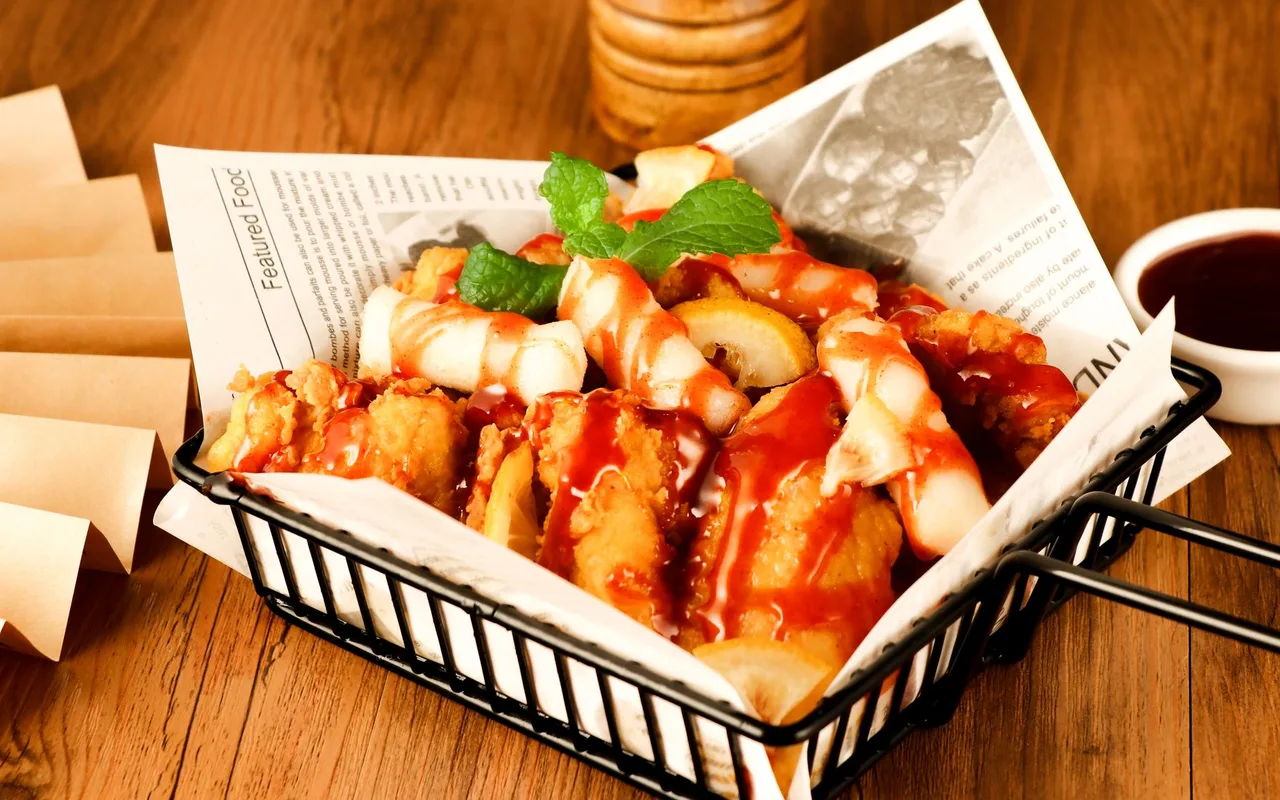
Tteokbokki is the ultimate Korean street snack, made with chewy rice cakes (tteok) simmered in a spicy-sweet sauce based on gochujang (Korean red chili paste). Walking through Seoul’s night markets, the smell of tteokbokki always hits first—the sauce bubbling away in huge trays, bright red from the pepper paste. The rice cakes themselves have a satisfyingly dense, bouncy texture, which makes them fun to eat and perfect for soaking up the sauce.
The sauce is what sets tteokbokki apart: it’s spicy, but the heat is balanced with sugar for a gentle sweetness and sometimes a touch of garlic or soy sauce for depth. Some stalls throw in fish cakes (eomuk), hard-boiled eggs, or even instant noodles to make the dish heartier. When I first tried tteokbokki, the combination of spicy, sweet, and savory flavors was addictive, and I quickly understood why it’s so popular as an after-school snack or late-night comfort food.
Tteokbokki is best enjoyed freshly made and piping hot, with a side of pickled radish to cool the fire. You’ll find it everywhere from street carts to chain snack shops, and it’s easy to adapt at home with just a few ingredients. If you want to dig deeper into Korea’s street food culture, our street food guide is a great place to start.
Doenjang Jjigae: hearty soybean paste stew
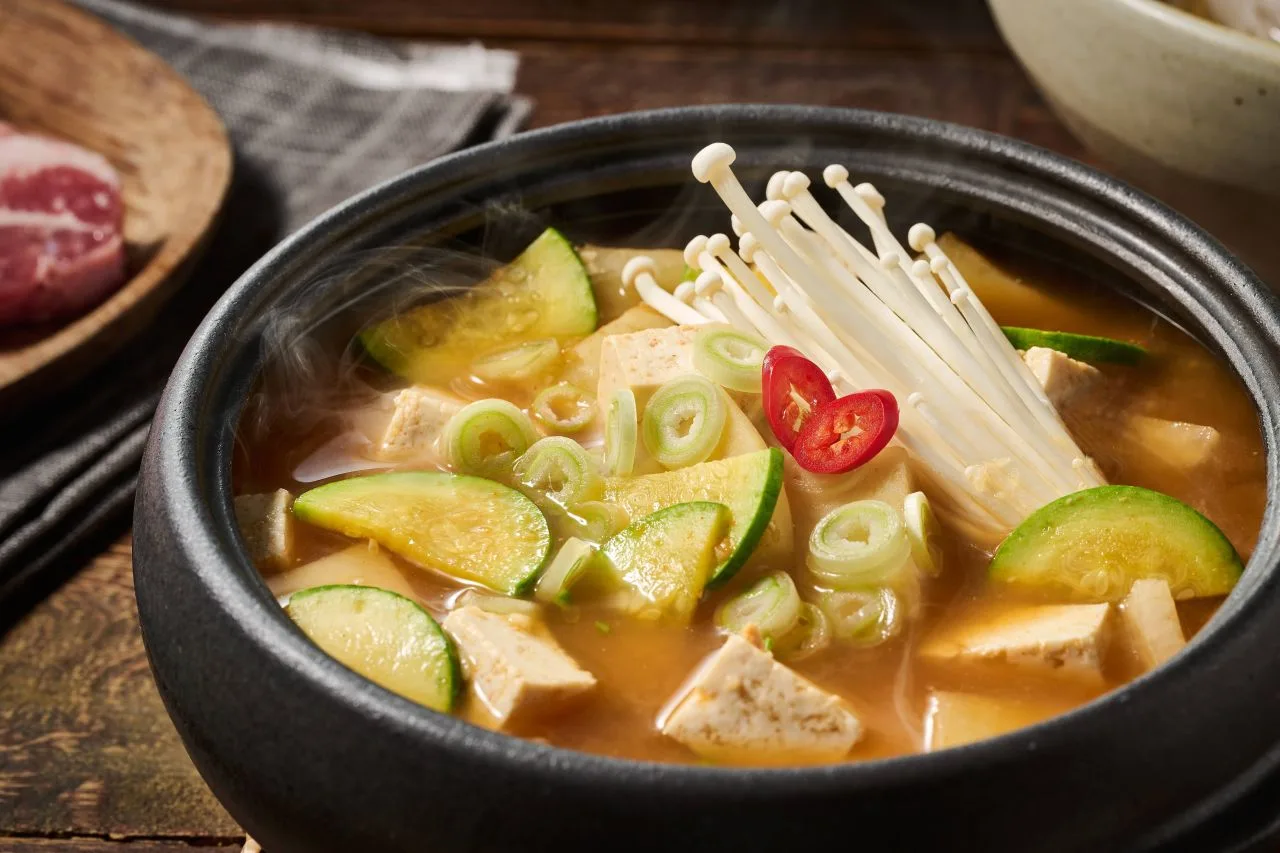
Doenjang jjigae is a humble, comforting stew built around doenjang, Korea’s traditional fermented soybean paste. It’s the kind of dish that shows up on the table at almost every Korean meal, a steady presence that brings warmth and a deep, savory flavor. The base of the stew is simple: water or broth, doenjang, and garlic, but what makes each pot special is the mix of vegetables, tofu, and sometimes bits of seafood or beef that go in.
When I first learned to make doenjang jjigae, I was surprised by how quickly the flavors develop. Chopped zucchini, potatoes, and onions are standard, and cubes of soft tofu soak up the broth’s salty, umami notes. The doenjang itself is earthy and pungent, but mellowed out by simmering, it becomes rich and satisfying. It’s common to add green chili peppers for a bit of heat, and a handful of clams or shrimp if you want a coastal twist.
This stew is always served bubbling hot, usually in a stone or earthenware pot, and it’s perfect with a bowl of steamed rice. For many Koreans, doenjang jjigae is pure comfort food—a dish tied to home and family. If you’re curious about more Korean food names and how to order confidently, don’t miss our food name guide.
Gimbap: seaweed rice rolls
Gimbap is one of those foods that always appears on a Korean picnic or in a convenience store snack aisle, with its colorful cross-section and easy-to-share slices. The idea is simple: seasoned rice and a mix of fillings—think crunchy cucumber, pickled radish, strips of egg, spinach, and sometimes beef or ham—all layered on a sheet of roasted seaweed, tightly rolled, then sliced into bite-sized rounds. It’s not sushi, even if it looks similar at a glance. Gimbap fillings are usually cooked or pickled, and the rice is seasoned with sesame oil rather than vinegar, which gives it a distinctly Korean aroma and flavor.
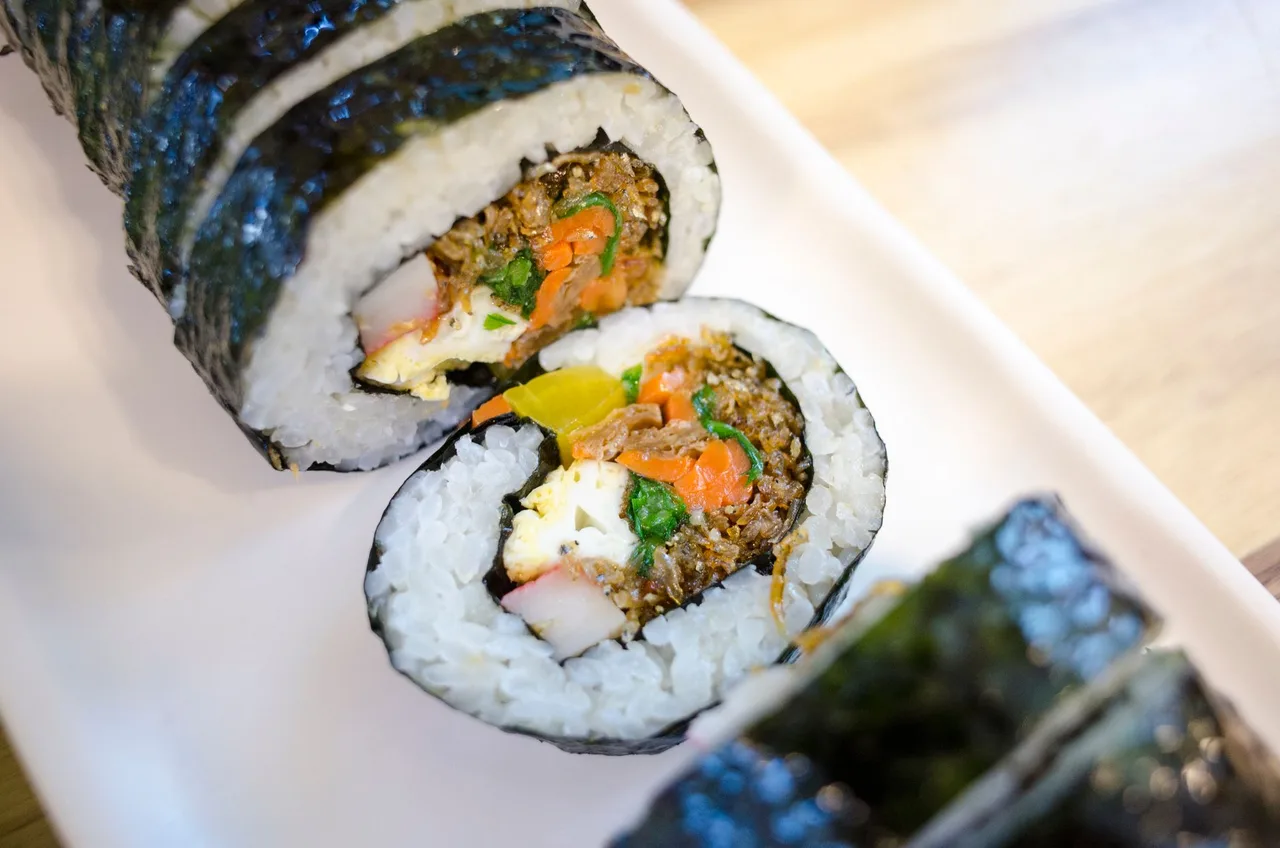
When I made my first gimbap at a friend’s home, the process turned out to be surprisingly forgiving. You just lay out the ingredients, roll tightly with a bamboo mat, and slice with a sharp, dampened knife to keep things neat. There’s a real sense of satisfaction when you see those perfect spirals lined up on a plate. Gimbap is a go-to for road trips or school lunches, and if you order it at a Korean eatery, you’ll often get a whole roll sliced and served with a side of yellow pickled radish. For more ideas on what to try first, check out our food guide. Gimbap is proof that something as simple as rice and seaweed can become a meal you crave, and it’s a practical introduction to the balance and variety at the heart of Korean food.
Samgyeopsal: Korean-style pork belly barbecue
Samgyeopsal is the king of Korean barbecue for a reason. At a samgyeopsal restaurant, you’ll sit around a grill built right into the table, with thick, unseasoned slices of pork belly sizzling in front of you. The appeal is all about the experience: grilling your own meat, chatting as you flip the slices, and then building your own perfect bite. The classic move is to take a lettuce or perilla leaf, add a piece of crispy pork belly, a dab of ssamjang (savory-sweet sauce), a slice of raw or grilled garlic, and maybe some kimchi for a tangy punch. Fold it all up and pop it in your mouth in one go—it’s messy, satisfying, and totally communal.
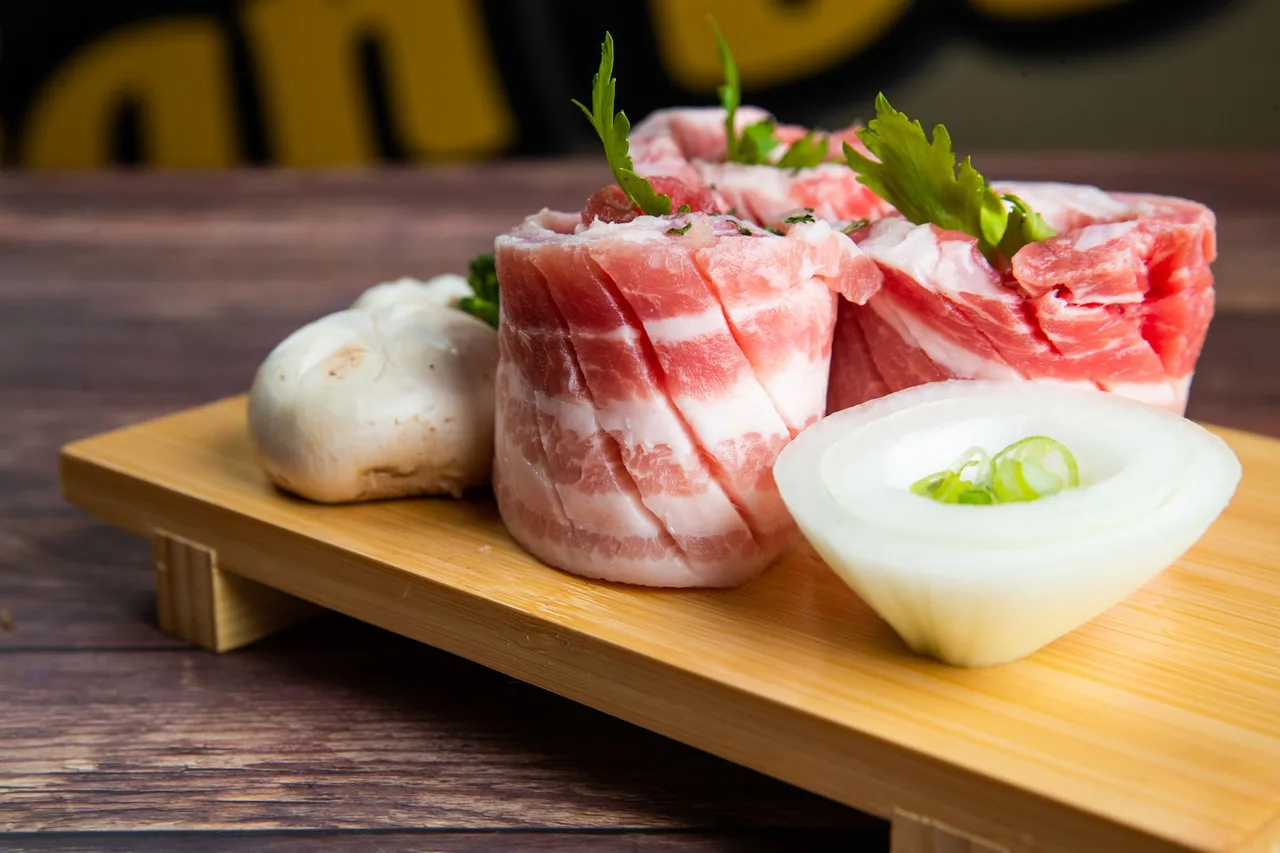
When I first tried samgyeopsal, what stood out was how everyone at the table was involved, from grilling to wrapping each bite. There’s no need for fancy marinades; the pork belly’s flavor comes through, balanced by the freshness of greens and the bite of raw garlic. Samgyeopsal nights tend to run long, fueled by conversation and maybe some soju on the side. It’s a dish that embodies Korean food’s emphasis on sharing and variety. If you want a deeper dive into Korean barbecue etiquette and tips, don’t miss our Korean BBQ 101 guide. Honestly, there’s nothing quite like the sizzle and aroma of samgyeopsal to make you feel like you’re eating out in Seoul.
Sundubu Jjigae: spicy soft tofu stew
Sundubu jjigae is the stew I reach for on cold days or when I want something that feels both comforting and bold. The main star is sundubu, a soft, uncurdled tofu that’s silky and almost custardy. The stew arrives at the table bubbling hot in a stone pot, its broth red with gochugaru (chili flakes) and gochujang, usually layered with vegetables, sometimes thin slices of beef or seafood, and an egg cracked in just before serving. The tofu practically melts into the spicy broth, making each spoonful both fiery and soothing.
The real appeal of sundubu jjigae is that it hits that balance of hearty and light. You get protein from the tofu, a kick from the spice, and the chance to customize with your favorite add-ins. I still remember my first sundubu jjigae at a tiny eatery in Busan, where it was served alongside a bowl of steamed rice and the usual array of banchan (side dishes). The stew was so hot it was still bubbling when it landed on the table. It’s an easy introduction to Korean jjigae (stew) culture and perfect for anyone who likes a little heat. For more on classic Korean stews and soups, have a look at our Korean food list. Sundubu jjigae is the dish I recommend to anyone who wants to experience Korean comfort food at its best.
Exploring these recipes offers a delicious introduction to Korean cuisine. With readily available ingredients and straightforward techniques, you can bring the flavors of Korea into your own kitchen.
Frequently asked questions
What are the essential ingredients for Korean cooking?
Key ingredients include gochujang (red chili paste), doenjang (soybean paste), soy sauce, sesame oil, garlic, ginger, and rice.
Is Korean food typically spicy?
Many Korean dishes are known for their spiciness, but there are also plenty of mild options available.
Can I make Korean dishes if I don't have access to specialty stores?
Yes, many Korean ingredients are now available in mainstream supermarkets or can be substituted with similar items.
Are there vegetarian options in Korean cuisine?
Absolutely, dishes like bibimbap and japchae can be made vegetarian by omitting meat and using tofu or extra vegetables.
How important is fermentation in Korean cooking?
Fermentation is central to Korean cuisine, contributing to the unique flavors of staples like kimchi and doenjang.
Sources
This guide was researched using the references below. Prices and times change, so confirm anything time-sensitive on the official page before you rely on it.
Related guides
- Korean recipes with ground beefExplore easy and flavorful Korean dishes using ground beef, from bulgogi bowls to kimchi mandu, perfect for quick meals.
- Korean BBQ options near Incheon AirportA guide to enjoying authentic Korean BBQ near Incheon Airport, including top restaurant recommendations and practical tips for travelers.
- Korean BBQ in Incheon: A guide for foreignersDiscover the best Korean BBQ spots in Incheon, understand local dining etiquette, and learn how to enjoy this culinary experience like a local.
- Korean BBQ in Seoul: A guide for first-time visitorsDiscover the essentials of enjoying Korean BBQ in Seoul, from ordering and etiquette to top restaurant recommendations and solo dining options.
- Korean chicken recipes to try at homeExplore a variety of Korean chicken dishes, from spicy stir-fries to comforting soups, with recipes and cultural insights.
- Easy Korean recipes for beginnersDiscover simple Korean dishes like kimchi fried rice and bulgogi that you can make at home with minimal ingredients and time.