Exploring Myeongdong's street food scene
A guide to Myeongdong's street food, covering must-try dishes, prices, and practical tips for visitors.
By Jae Park · Updated Jul 23, 2026
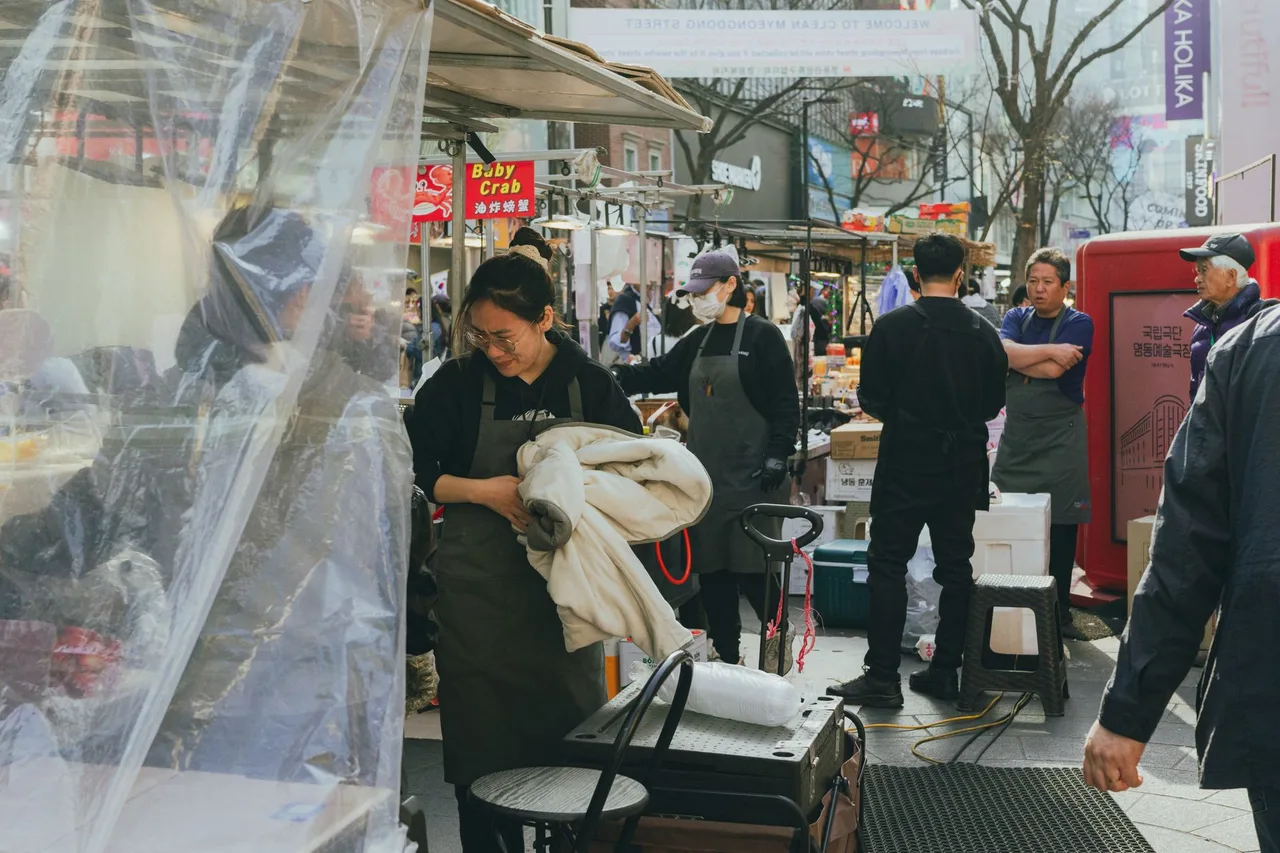
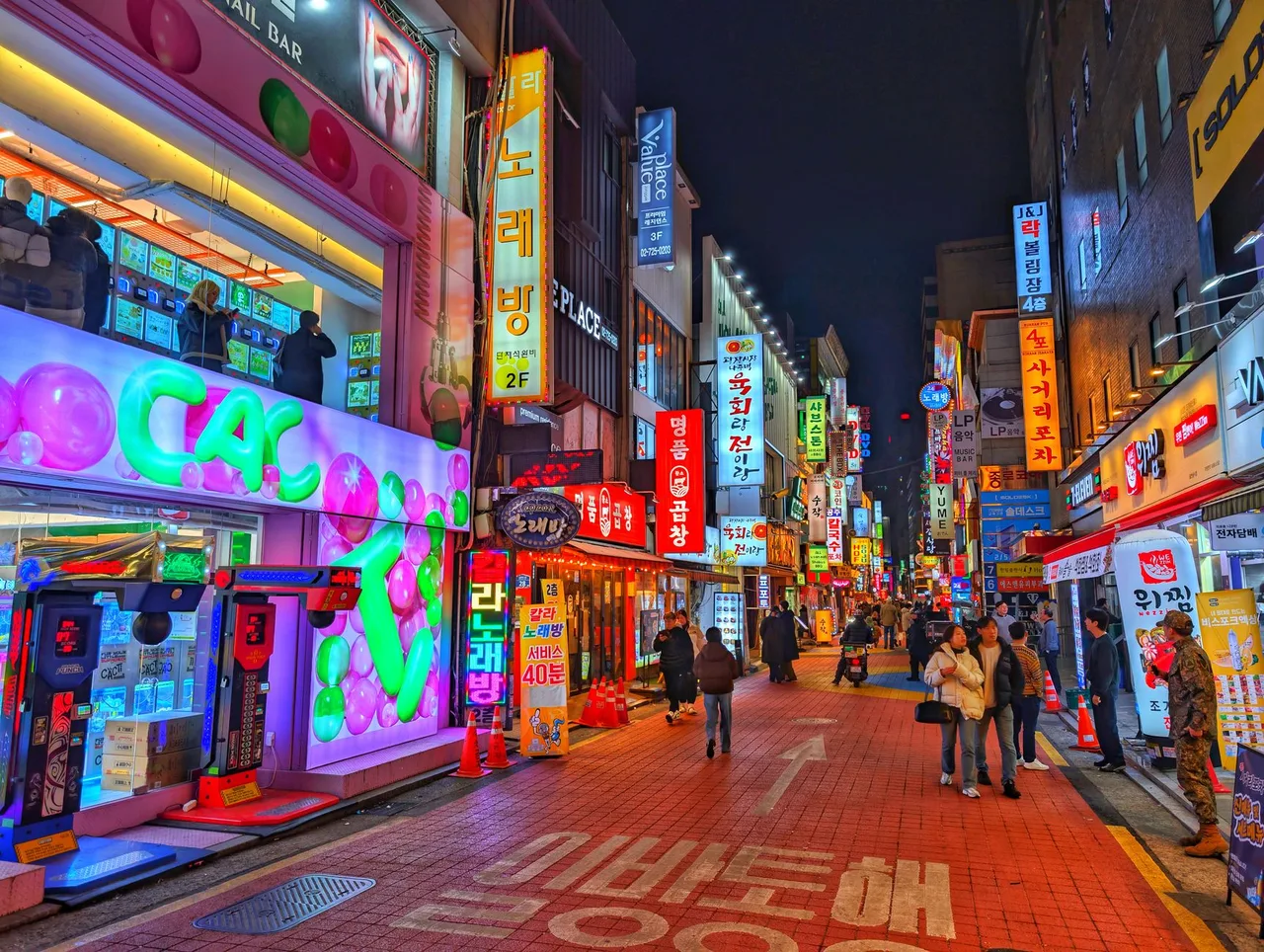
Myeongdong, located in the heart of Seoul, transforms into a busy street food haven each evening. From 4 PM onwards, vendors line the streets, offering a variety of Korean delicacies that cater to both locals and tourists.
When to visit Myeongdong's street food stalls
Myeongdong’s street food vendors usually start setting up around 4 PM and keep things going until about 10 PM, creating a lively block of food options as the evening gets underway. If you walk through the area right as things open, you’ll catch vendors prepping and the first batches of treats hitting the griddles. From my own experience, the real crush of the crowd arrives between 5 PM and 8 PM, when both locals and tourists pack the sidewalks. If you want to avoid the peak elbows-and-queues chaos, showing up on a weekday makes a difference—weekends can get packed to the point where you’re shuffling from stall to stall.
I’ve found early weekday evenings to be the sweet spot: vendors are fully set up, the food is fresh, and you won’t have to wait long for favorites like tteokbokki or gyeran-ppang. Keep in mind that some stalls might sell out of popular items before closing time, especially if there’s a sudden rush. Myeongdong’s electric signs and music add to the energy as the sun goes down, so even if you’re just strolling, the experience is very much about the atmosphere as well as the snacks. If you want more breathing room and shorter waits, aim for Mondays or Tuesdays just after 4 PM. It’s a totally different vibe compared to the weekend jam.
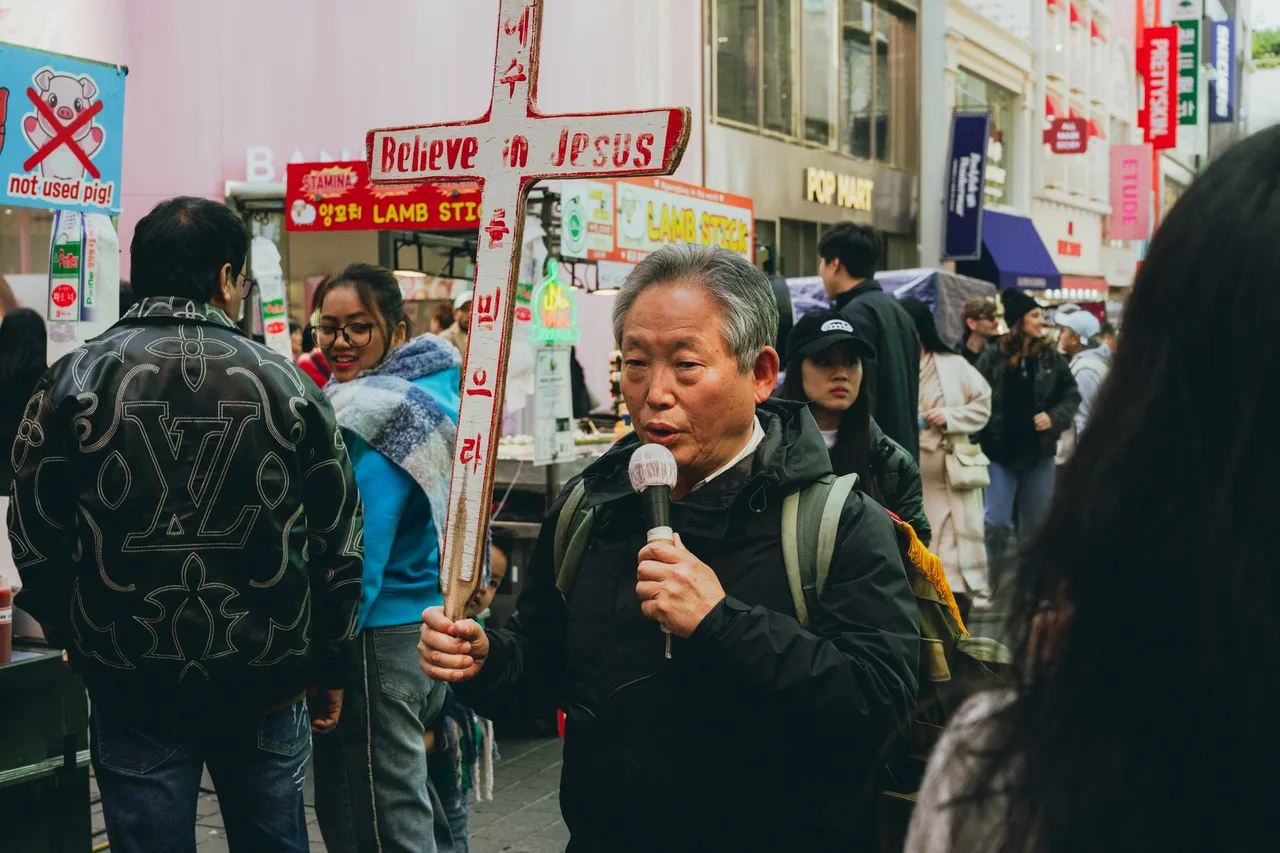
Must-try street foods in Myeongdong
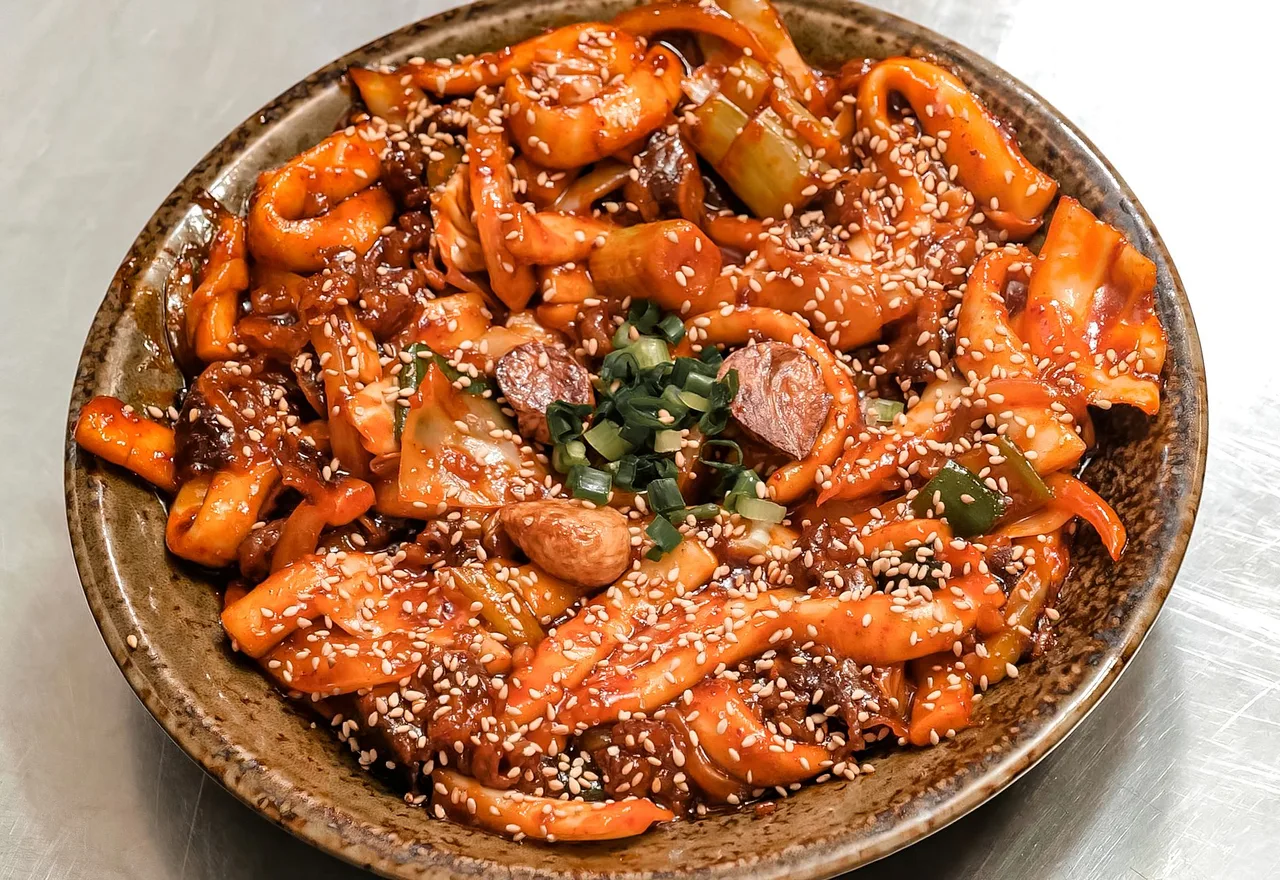
Sampling Myeongdong’s street food is all about trying dishes that locals crave and K-drama fans recognize. Tteokbokki, those chewy rice cakes swimming in spicy-sweet sauce, are a staple. I usually pay ₩4,000–₩5,000 for a generous portion, and the flavor punch is totally worth it. Gyeran-ppang, or egg bread, is another favorite—soft, slightly sweet bread with a whole egg baked on top, usually costing ₩2,000–₩3,000. It’s warm and filling, perfect for snacking while you walk.
You’ll also spot tornado potatoes: thin-sliced potatoes spiraled onto a stick, deep-fried, and dusted with seasonings. These typically run ₩3,000–₩5,000, and watching the vendor twist and fry them is half the fun. Each of these snacks brings a different side of Korean street food culture to the table, from spicy and savory to sweet and comforting.
If you’re curious about what to try first or want to understand what’s behind the hype, check out our Korean street food guide and what to order as a first-timer. Honestly, the fun is in wandering from stall to stall, letting your nose and eyes guide you. I tend to bounce between old favorites and whatever new thing catches my attention—sometimes it’s grilled seafood, sometimes a sugar-dusted hotteok. The sheer range of options means you’ll never run out of things to taste.
Navigating prices and budgeting
Street food in Myeongdong is famous for both its variety and its slightly higher price tags compared to other markets in Seoul. Expect to pay anywhere from ₩2,000 for a simple snack like gyeran-ppang up to ₩15,000 for items like grilled seafood skewers. I always tell friends to bring at least ₩20,000–₩30,000 if they want to sample multiple dishes; this lets you try a handful of classics without worrying about running out of cash.
Myeongdong’s prices are about 30–50% higher than what you’ll find at places like Gwangjang Market, reflecting both the convenience and the area’s tourist-driven demand. Many vendors stick to cash only, so I always make sure to have smaller bills and coins to avoid awkward moments at the counter. While a few stalls are starting to accept credit cards, you can’t count on it, and having exact change means faster, smoother transactions.
If you’re budget-conscious or just curious how far your money goes, you can compare your Myeongdong experience with other spots—Gwangjang is a good alternative for local vibes and cheaper eats. But honestly, the atmosphere and range in Myeongdong are hard to beat, so it’s worth the splurge if you’re in the area. For more on what to expect cost-wise in Korea, our trip budget guide breaks down expenses in detail.
Payment methods and practical tips
Most Myeongdong street food vendors still prefer cash, and from my own experience, you’ll have a much smoother time if you arrive with a wallet full of small bills. While it’s true that some stalls display credit card logos or QR payment signs, many are cash-only—especially for the smaller snacks like gyeran-ppang or skewers. I’ve found that using ₩1,000 and ₩5,000 notes speeds things up, since vendors often hesitate to break a ₩50,000 bill for a ₩2,000 snack. ATMs are easy to find along the main street and inside convenience stores, but fees can add up for foreign cards, so plan ahead. If you’re already using a reloadable Korea travel card, that won’t help here, as most stalls don’t accept T-money or similar cards for food purchases (learn more about these cards in our travel card guide).
It’s also worth noting that cash transactions are quick, letting you move easily from stall to stall without holding up lines. Many vendors keep their money aprons handy, and I’ve noticed they appreciate exact change. If you’re traveling with friends, pooling smaller bills before splitting up is a smart move. While losing out on credit card points isn’t ideal, the convenience of cash at Myeongdong can’t be overstated.
Understanding the premium pricing
Myeongdong’s street food prices are 30–50% higher than what you’ll find at markets like Gwangjang or Namdaemun, and this premium is something I feel every time I stop by for a snack. For example, tteokbokki here can run ₩4,000–₩5,000, while the same item at Gwangjang Market is often ₩3,000 or less. The main reason is clear: Myeongdong is both a tourist hotspot and a center for K-pop fans, with a huge volume of international visitors and the convenience of having every trending snack in one walkable stretch. It’s a tradeoff between variety and value.
The upside is that you can try nearly every major Korean street food—from tornado potatoes to grilled lobster tails—without leaving a single street. It’s also the place where new snack fads appear first, so if you’re eager to try the latest viral treat, you’ll probably find it here before anywhere else. I usually budget ₩20,000–₩30,000 for a proper tasting session, which covers five to six different items. If you’re on a tighter budget or want that old-school market feel, I recommend looking at our street food market guide for alternatives around the city.
Tips for first-time visitors
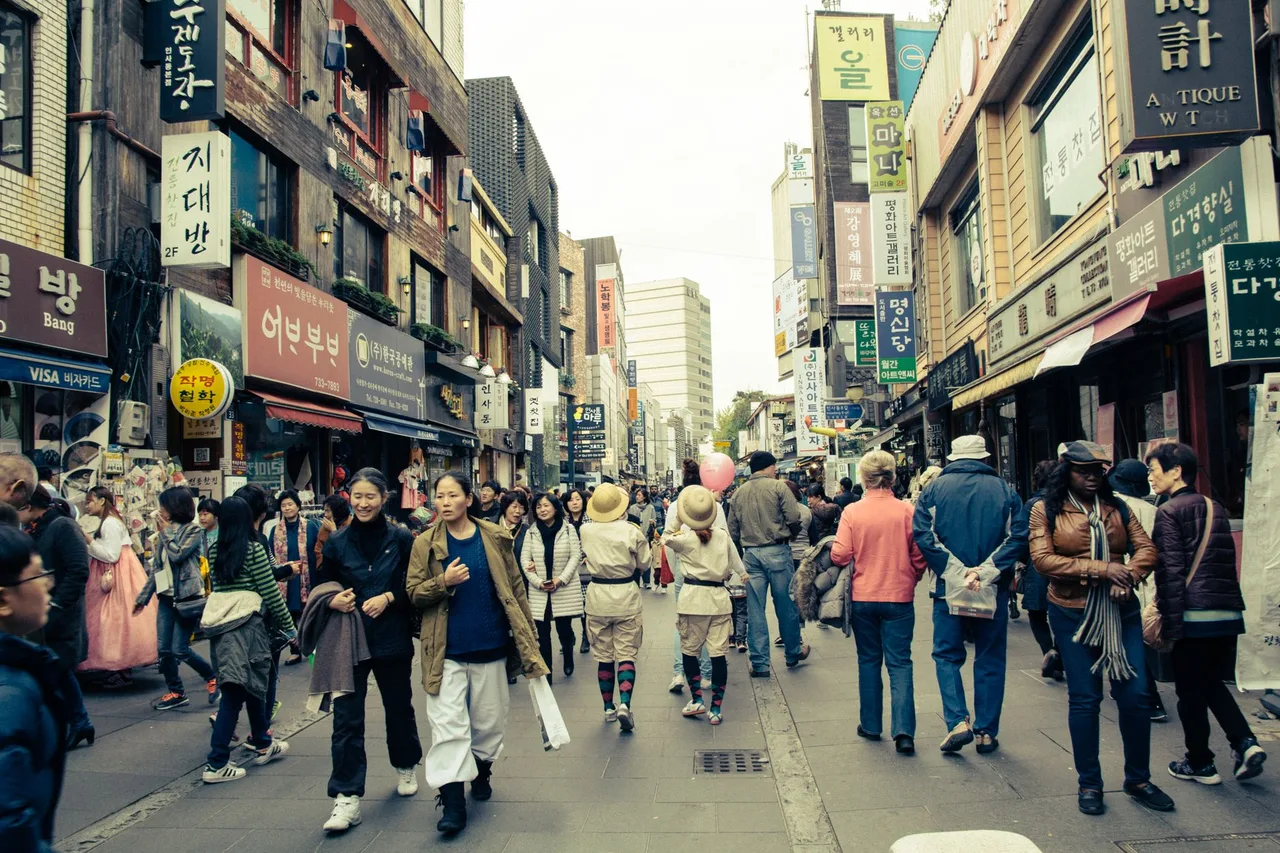
Having visited Myeongdong dozens of times, I can tell you that timing and preparation really shape your food adventure. The street food vendors usually set up shop around 4 PM, but if you want to beat the crowds and have your pick of the freshest snacks, arriving early is key. Lines grow quickly after 5 PM, especially on weekends, so coming on a weekday or before peak hours helps you avoid the wait. Bring cash in smaller denominations, as many stalls are cash-only and giving exact change keeps things moving.
Be mentally prepared for higher prices compared to other Seoul food markets and don’t be afraid to sample several dishes—the variety is what makes Myeongdong fun. I like to start with something classic, like gyeran-ppang or tteokbokki, then branch out to whatever new trend is lighting up social media. Try to pace yourself, as it’s easy to fill up quickly, and consider sharing bites with friends so you can taste more without getting stuffed. For etiquette and cultural tips, check out our dos and don’ts guide before you go.
Alternative street food locations in Seoul
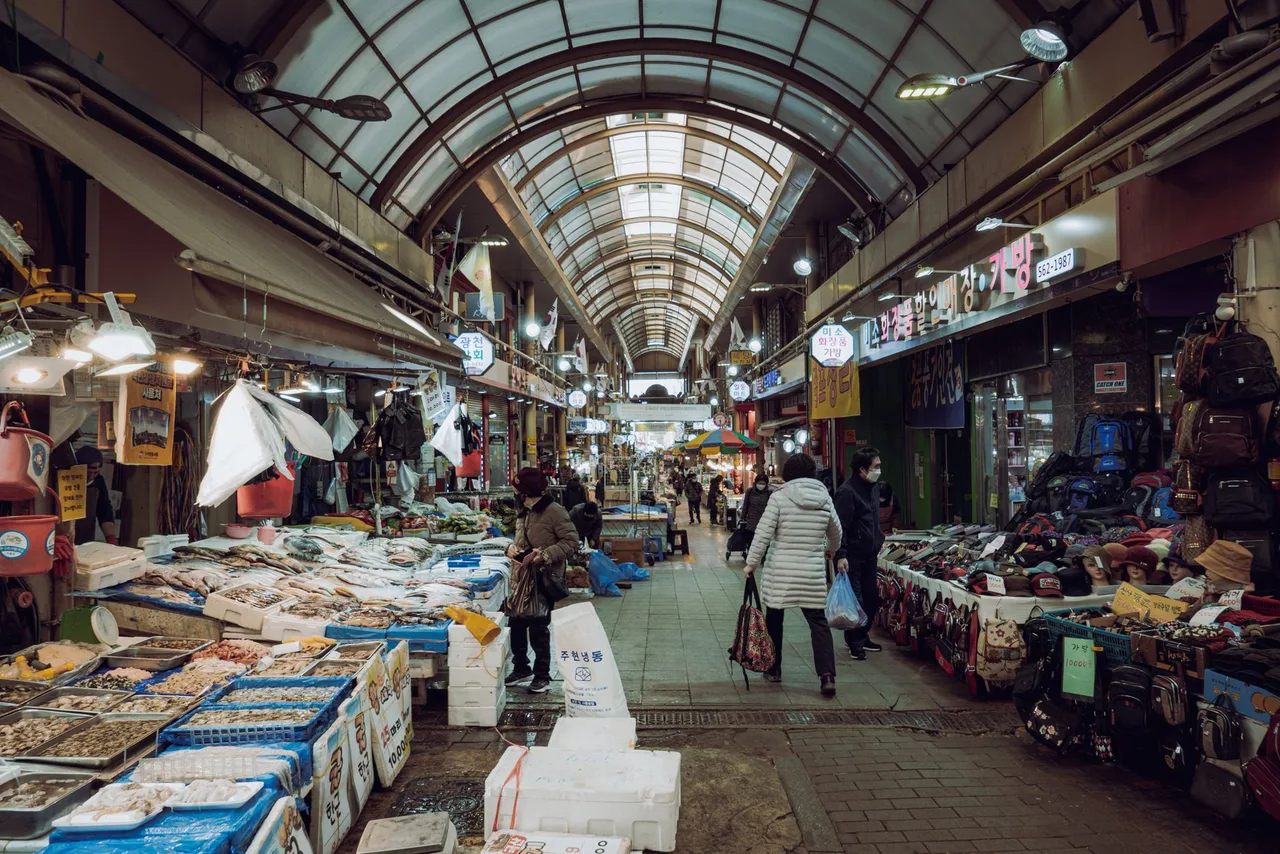
If you’re looking for a street food experience that feels more local—and is easier on your wallet—Gwangjang Market is the place I always recommend. Compared to the higher prices you’ll see in Myeongdong, Gwangjang Market offers many of the same beloved options at noticeably lower rates. For example, I’ve found that classics like tteokbokki and bindaetteok (mung bean pancakes) tend to cost about 30–50% less here than in the tourist-heavy areas. It’s not just about saving money, either: the atmosphere in Gwangjang is much more “everyday Seoul,” with older vendors who have been making their specialties for decades and regulars who know what’s worth lining up for.
As you wander the narrow aisles—often packed but in that way where everyone seems to know the dance—you’ll spot rows of stalls selling fresh gimbap, bibimbap, sundae (blood sausage), and hotteok (sweet pancakes). Many of the vendors prefer cash, so it’s a good idea to bring plenty of smaller bills for quick transactions. Compared to Myeongdong’s shiny food carts and photo ops, Gwangjang feels more no-nonsense and focused on taste. If you want to dig even deeper into Seoul’s street food culture, check out our guide to Korean street food markets, which covers even more local favorites and how to get there.
Personally, I’ve had some of my best street meals in Gwangjang—especially when I’m craving something filling without paying tourist prices. If you’re ready for a more authentic, budget-friendly adventure, it’s well worth the trip.
Exploring Myeongdong's street food scene offers a convenient and diverse introduction to Korean cuisine. While prices are higher than in other areas, the variety and accessibility make it a worthwhile experience for visitors.
Location
Myeongdong, Seoul
View on Google MapsFrequently asked questions
What are the operating hours for Myeongdong's street food vendors?
Vendors typically set up around 4 PM and operate until 10 PM, with peak hours between 5 PM and 8 PM.
How much should I budget for street food in Myeongdong?
Budgeting around ₩20,000–₩30,000 allows for sampling multiple dishes, as prices range from ₩2,000 to ₩15,000 per item.
Do street food vendors in Myeongdong accept credit cards?
While some vendors may accept credit cards, it's advisable to carry cash, as many stalls are cash-only.
Why are street food prices higher in Myeongdong compared to other markets?
Myeongdong's popularity and the convenience of having a wide variety of options in one location contribute to prices being approximately 30–50% higher than in other Seoul markets.
Are there alternative locations in Seoul for more affordable street food?
Yes, Gwangjang Market offers traditional Korean street foods at more affordable rates and provides a more local experience.
Sources
This guide was researched using the references below. Prices and times change, so confirm anything time-sensitive on the official page before you rely on it.
Related guides
- Korean recipes with ground beefExplore easy and flavorful Korean dishes using ground beef, from bulgogi bowls to kimchi mandu, perfect for quick meals.
- Korean BBQ options near Incheon AirportA guide to enjoying authentic Korean BBQ near Incheon Airport, including top restaurant recommendations and practical tips for travelers.
- Korean BBQ in Incheon: A guide for foreignersDiscover the best Korean BBQ spots in Incheon, understand local dining etiquette, and learn how to enjoy this culinary experience like a local.
- Korean BBQ in Seoul: A guide for first-time visitorsDiscover the essentials of enjoying Korean BBQ in Seoul, from ordering and etiquette to top restaurant recommendations and solo dining options.
- Korean chicken recipes to try at homeExplore a variety of Korean chicken dishes, from spicy stir-fries to comforting soups, with recipes and cultural insights.
- Easy Korean recipes for beginnersDiscover simple Korean dishes like kimchi fried rice and bulgogi that you can make at home with minimal ingredients and time.