Exploring Korean street food markets: a guide for foreigners
Discover the best Korean street food markets, their specialties, and tips for navigating them as a foreign visitor.
By Jae Park · Updated Jul 22, 2026
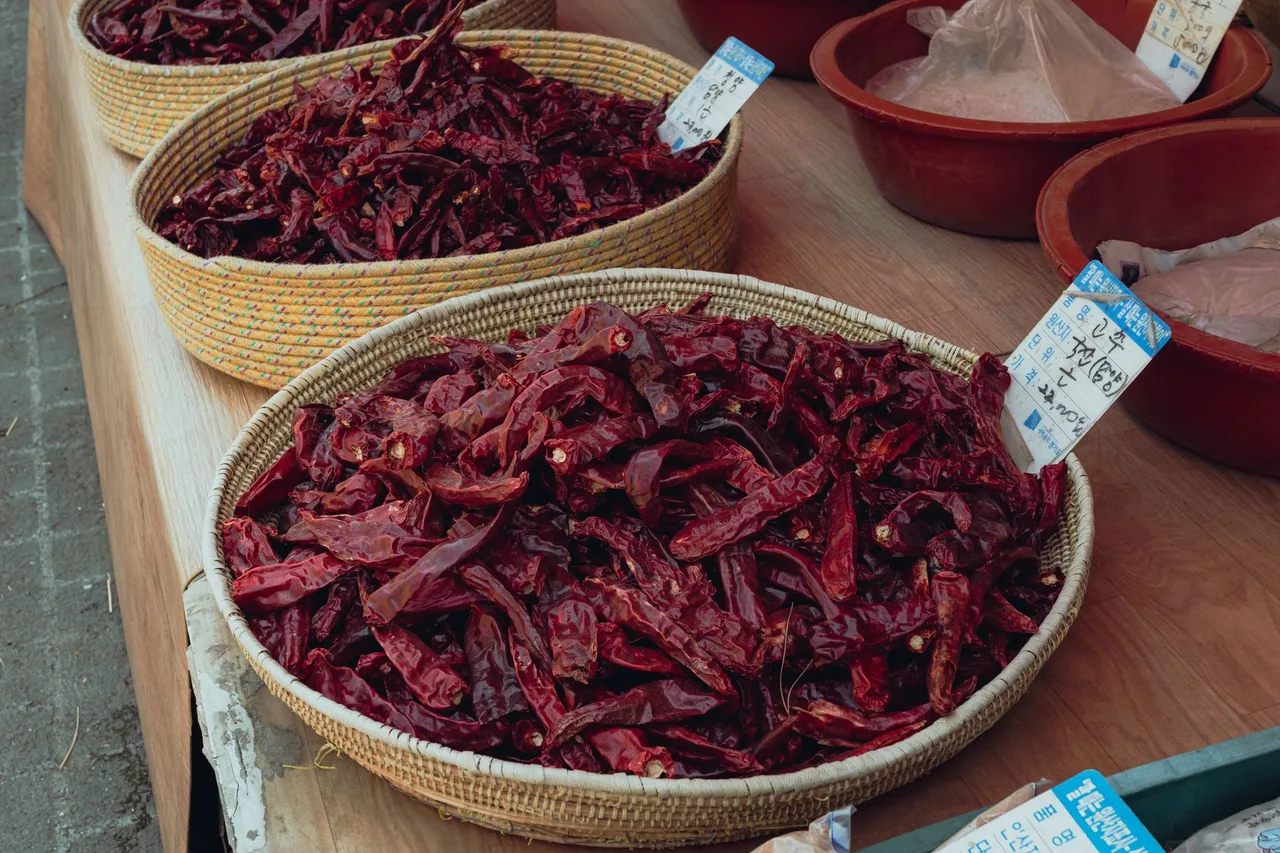
Gwangjang Market, established in 1905, is Korea's oldest traditional market and a haven for street food enthusiasts. Here, vendors serve up classics like bindaetteok (mung bean pancakes) and mayak gimbap (addictive mini seaweed rice rolls), offering a taste of authentic Korean flavors.
Top Korean street food markets to visit
If you want to experience Korea’s street food culture like a local, there are a few markets that always come up in conversation—and for good reason. Gwangjang Market, established in 1905, is the oldest traditional market in the country and a real institution for street food fans. I still remember my first bite of bindaetteok (crispy mung bean pancakes) there, paired with a plate of mayak gimbap (“addictive” mini seaweed rice rolls). Gwangjang is open year-round, and you’ll see both locals and visitors elbow-to-elbow at crowded counters from morning until night.
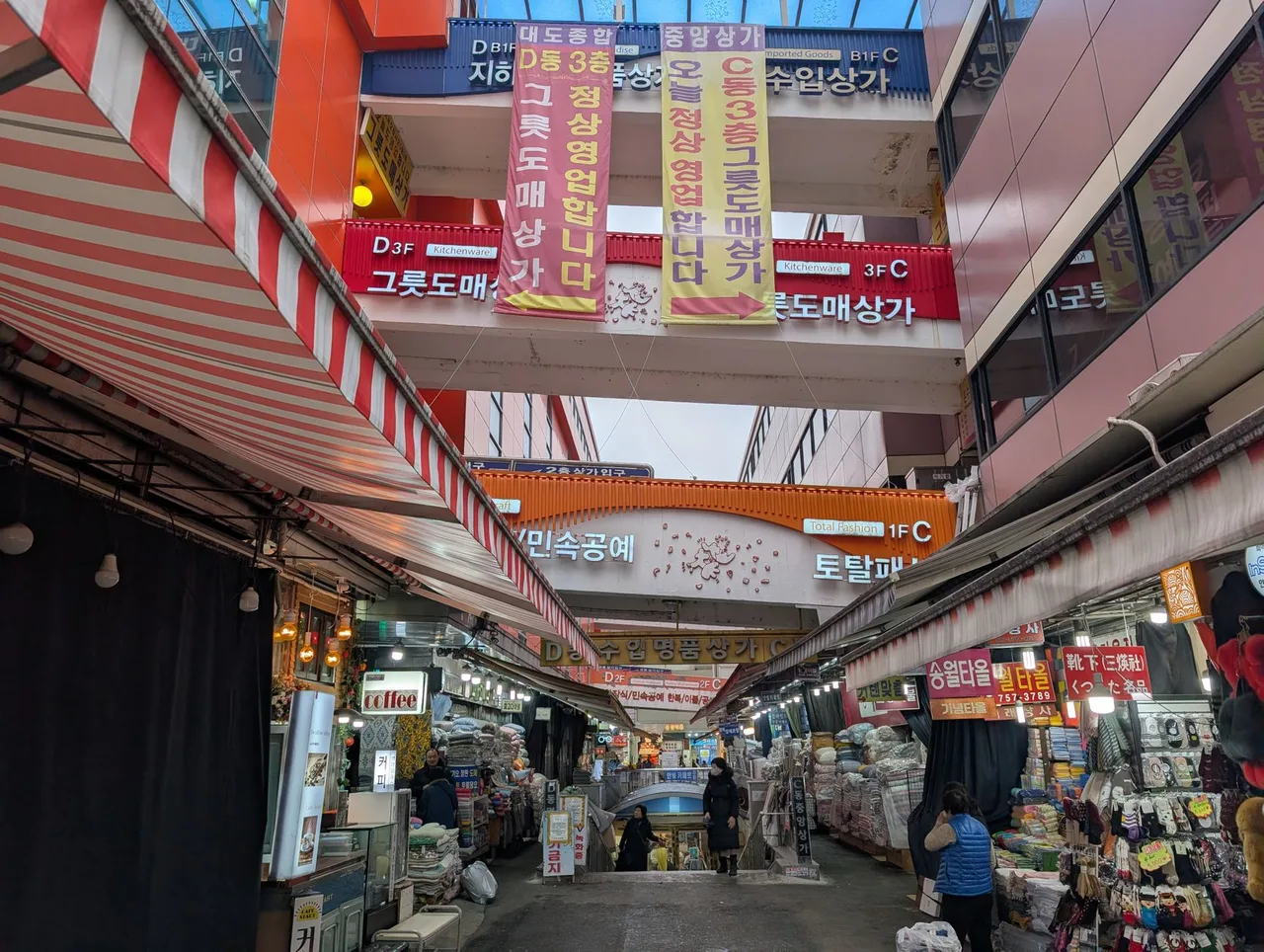
Namdaemun Market is the largest traditional market in Korea, and its food alleys are packed with specialties like galchi (hairtail fish) and kalguksu (hand-cut noodle soup). The market feels like a maze, and each alley has its own theme, but you can always follow your nose or the line of people. Myeongdong, on the other hand, comes alive in the evening as its streets fill with pop-up stalls. Here, you’ll spot unusual treats like lobster skewers alongside the ever-popular Korean corn dogs. If you’re curious about the classic tent experience, look for a pojangmacha—these “covered wagon” street food tents are scattered across city corners, serving up spicy tteokbokki, sundae (blood sausage), and odeng (fish cake) with a shot of soju or makgeolli.
Most of these markets operate all year, but some snacks are seasonal, so it’s worth coming back at different times. For a deeper look at what to eat, see our street food guide.
Must-try street foods and their origins
The first time I tried Korean tteokbokki, I understood instantly why it’s the country’s most iconic street snack. These chewy rice cakes in a fiery red sauce are everywhere, from market stalls to pojangmacha tents. Tteokbokki’s origins go back to royal court cuisine but the spicy version you find today became popular in the 1950s, when gochujang (Korean chili paste) was added for a cheap, filling treat. Prices are still affordable, usually ₩2,000 to ₩4,000 per serving.
Hotteok is another favorite, especially in winter. These sweet, chewy pancakes are filled with brown sugar, cinnamon, and nuts, caramelizing as they cook on the griddle. I used to line up for hotteok after class, and at ₩1,000 to ₩1,500 each, you can easily try more than one. Hotteok is believed to have been introduced by Chinese immigrants in the early 20th century, but it’s become a Korean winter staple.
Odeng (fish cake skewers) is the ultimate comfort food, served in warm broth at both markets and street corners. Odeng’s roots are Japanese, but Korean stalls have made it their own—don’t be surprised if you’re handed a steaming cup of broth while you eat. And don’t skip the mayak gimbap at Gwangjang Market—these bite-sized rolls are simple but addictive, often dipped in mustard-soy sauce.
For more on what to try as a first-timer, check out our food guide.
Navigating the markets: tips for foreigners
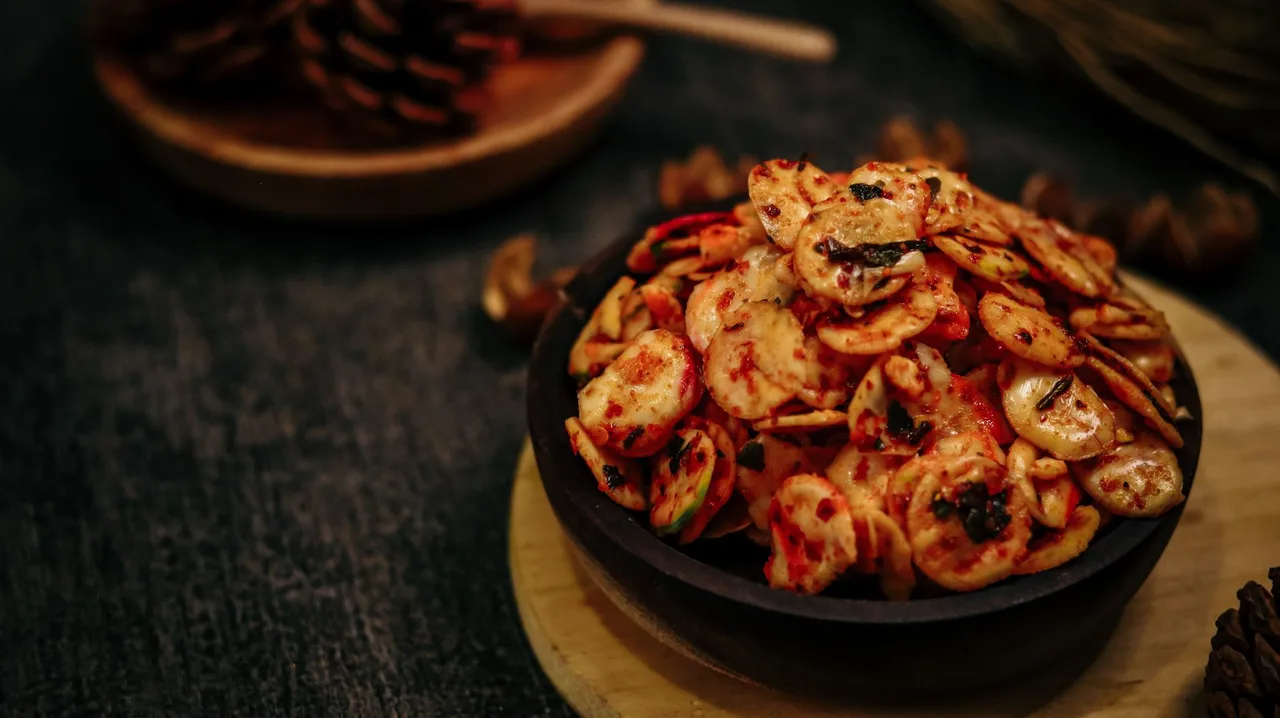
Ordering your first street food in a Korean market can feel intimidating, but with a few tips, you’ll get the hang of it fast. Most vendors have their main dishes on display—pointing works wonders, and a friendly smile goes a long way. Don’t worry if you don’t speak much Korean. I often start by greeting with a simple “Annyeonghaseyo” (hello), then point and say “igeo juseyo” (please give me this). Many vendors in tourist-heavy areas like Myeongdong or Gwangjang understand basic English or will happily serve you with gestures.
Payments are straightforward: most stalls still prefer cash, and it’s good to carry small bills or coins. I’ve noticed more places are now accepting cards or mobile payments, but it’s not universal, especially at older markets. Prices are clearly marked, and you can always confirm by showing the vendor the amount you’re handing over. If you’re unsure, don’t hesitate to ask “얼마예요?” (eolmayeyo?—how much is it?).
If you want to make the most of your visit, brush up on a few survival Korean phrases before you go. Many stalls have menus with pictures, and some markets provide English signage, but the best experiences often come when you just dive in and let curiosity (and your nose) guide you. Remember, everyone at these markets was a first-timer once—and the vendors usually appreciate your interest and effort.
Understanding pojangmacha culture
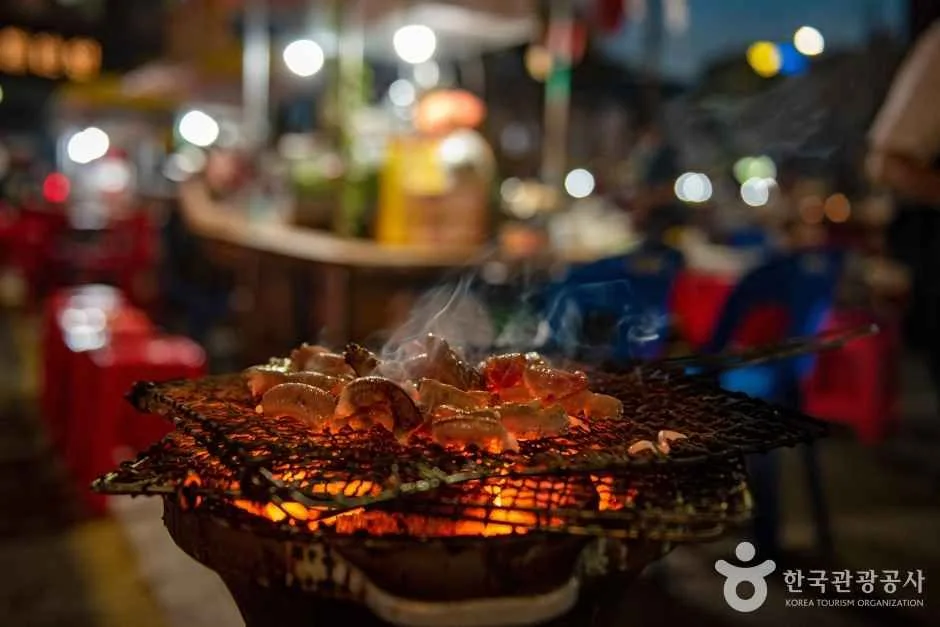
Pojangmacha, which translates literally to "covered wagon," are the iconic orange or green street food tents you’ll spot across Korean cities after sunset. For many locals, pojangmacha isn’t just a place to grab a quick bite—it’s a late-night ritual, a space to unwind over tteokbokki, sundae (blood sausage), odeng (fish cakes), and of course, a bottle of soju or makgeolli. You’ll usually find these tents along busy streets or tucked into alleyways, with plastic flaps shielding diners from wind and rain. Inside, the atmosphere is casual and friendly, and you don’t need to speak much Korean to order. I still remember my first time at a pojangmacha near Jongno: the owner gestured to the bubbling pot of spicy tteokbokki, and within minutes, I was sharing plates with locals who were eager to recommend their favorite side dishes.
Pojangmacha culture dates back to the 1950s, when vendors set up makeshift carts to feed workers during Korea’s rapid urbanization. Over time, these evolved into the tents we see today. While they used to be everywhere, city regulations have reduced their numbers, making each one feel like a small piece of living history. Expect a no-frills experience—plastic stools, paper napkins, and the comforting smell of frying batter. If you’re curious about the drinking customs that go hand-in-hand with pojangmacha, check out our Korean drinking culture guide. If you let your guard down and follow the lead of regulars, you may just find yourself making a new friend by the end of the night.
Budgeting for your street food adventure
Sampling Korean street food is one of the most budget-friendly ways to eat out, and it’s easy to try a full range of flavors without spending much. In most major markets, tteokbokki (spicy rice cakes) usually costs between ₩2,000 and ₩4,000 per serving. A sweet hotteok pancake can be found for just ₩1,000 to ₩1,500, while other snacks like odeng are similarly priced. When I visit Gwangjang or Namdaemun, I typically plan to spend around ₩10,000 to ₩15,000 for a meal that includes three or four different items—enough to fill you up and let you try both savory and sweet.
It helps to arrive with small bills and coins, as most street vendors prefer cash (though more are accepting cards or mobile payments these days). Some markets, like Gwangjang, have vendors specializing in bindaetteok (mung bean pancakes) or mayak gimbap (mini seaweed rice rolls), and you’ll often find these specialties for under ₩5,000. If you’re with friends, pooling your money and sharing plates is the best way to sample a wider variety. I love grabbing a bite of everything—one person buys tteokbokki, someone else gets a plate of dumplings, and before you know it, you’ve tried half the market. For more tips on budgeting your Korea trip, see our full cost breakdown here. Even in the busiest tourist spots like Myeongdong, street food remains a great value and a delicious part of the local experience.
Seasonal specialties and when to visit
Some of Korea’s most memorable street food moments come from trying dishes tied to the changing seasons. While markets like Gwangjang and Namdaemun are open year-round, the food stalls adapt their offerings as the weather shifts. In the chilly winter months, you’ll see steaming trays of hotteok and odeng, perfect for warming up cold hands. Spring brings lighter snacks, and during the peak of summer, stalls often sell cool naengmyeon (cold noodles) or watermelon juice. In autumn, markets feature roasted chestnuts and sweet potatoes, which pair beautifully with the crisp air and changing leaves.
Timing your street food adventure can make a big difference. I’ve found that visiting on a brisk autumn evening, especially after a walk during the foliage season, creates the perfect backdrop for enjoying a piping hot snack. (If you’re planning a fall trip, our Korea autumn foliage guide has tips on the best spots to catch the colors.) In the evenings, especially weekends, Myeongdong and other busy areas transform into open-air food festivals, with new seasonal treats popping up every few weeks. While there’s never really a bad time to visit a street food market, aligning your trip with Korea’s seasonal changes lets you taste the country’s shifting flavors—and gives you a reason to come back at a different time of year.
Combining street food tours with cultural experiences
Pairing a street food market visit with a nearby cultural site is one of the best ways to get a real sense of Korean daily life. For example, I like starting my day at Gwangjang Market, sampling bindaetteok (those savory mung bean pancakes are so filling) and mayak gimbap, before heading over to explore traditional hanbok shops within the same building. The market itself is already a slice of living history, founded in 1905, but you’re also just a short subway ride from the grand palaces of central Seoul. If you’re at Namdaemun Market, you’re right beside Sungnyemun Gate, a centuries-old city landmark—making it easy to turn a food hunt for galchi or kalguksu into a walk through Seoul’s layers of history.
Myeongdong makes another classic combo: in the evenings, you can sample lobster skewers and Korean corn dogs from the street stalls, then duck into Myeongdong Cathedral or catch a K-beauty shopping spree in the area’s countless cosmetics shops. For those who prefer the atmosphere of pojangmacha, I find they’re often set up near parks or along busy nightlife streets—grab a plate of tteokbokki and odeng with a cup of soju before wandering over to a late-night noraebang (karaoke room).
Beyond Seoul, markets in historic cities like Gyeongju let you pair street food with UNESCO-listed sites—see our Gyeongju heritage guide for more tips. The bottom line is: street food in Korea isn’t just about eating, it’s a gateway to the sights, sounds, and social life of wherever you are.
Exploring Korean street food markets offers a delicious and immersive way to experience the country's culinary traditions. With a bit of preparation and an adventurous palate, you'll discover flavors and experiences that are both memorable and uniquely Korean.
Location
Gwangjang Market, Seoul
View on Google MapsFrequently asked questions
What are the best Korean street food markets for tourists?
Gwangjang Market and Myeongdong are highly recommended for tourists seeking a variety of authentic Korean street foods.
How much should I budget for a street food meal in Korea?
A full street food meal can cost between ₩4,000 and ₩15,000, depending on the dishes you choose.
Is it common to find English menus at Korean street food markets?
While some tourist-friendly markets may have English menus, many traditional markets do not, so learning basic Korean phrases can be helpful.
What is a pojangmacha?
A pojangmacha is a traditional Korean street food tent where patrons can enjoy various dishes and drinks in an informal setting.
Are Korean street food markets open year-round?
Yes, most Korean street food markets operate year-round, though some seasonal specialties may only be available during certain times.
Sources
This guide was researched using the references below. Prices and times change, so confirm anything time-sensitive on the official page before you rely on it.
Related guides
- Korean recipes with ground beefExplore easy and flavorful Korean dishes using ground beef, from bulgogi bowls to kimchi mandu, perfect for quick meals.
- Korean BBQ options near Incheon AirportA guide to enjoying authentic Korean BBQ near Incheon Airport, including top restaurant recommendations and practical tips for travelers.
- Korean BBQ in Incheon: A guide for foreignersDiscover the best Korean BBQ spots in Incheon, understand local dining etiquette, and learn how to enjoy this culinary experience like a local.
- Korean BBQ in Seoul: A guide for first-time visitorsDiscover the essentials of enjoying Korean BBQ in Seoul, from ordering and etiquette to top restaurant recommendations and solo dining options.
- Korean chicken recipes to try at homeExplore a variety of Korean chicken dishes, from spicy stir-fries to comforting soups, with recipes and cultural insights.
- Easy Korean recipes for beginnersDiscover simple Korean dishes like kimchi fried rice and bulgogi that you can make at home with minimal ingredients and time.